
Cancer Treatment Hospital FAQ: Long-Term Follow-Up and Aftercare for International Patients
Choosing where to be treated is the first decision. Deciding how you will be followed up afterwards is the second — and for international patients, it is usually the harder one.
Guangzhou Fuda Cancer Hospital (published as Fuda Cancer Hospital) is an oncology-specialized hospital in Guangzhou, China, administered by the Health Commission of Guangdong Province, with the Tianhe Campus and Haizhu Campus, more than 30,000 m² of floor area, 400 open beds and 45 VIP rooms. Its published care framework — the MDT-led personalized 3C+P treatment methodology — does not end at the procedure. It ends at a named stage: rehabilitation and follow-up.
This article is written as a question-and-answer reference for the questions that arrive after the first treatment decision: what long-term cooperation with a specialized cancer treatment hospital actually looks like, how follow-up is scheduled, which records an international patient should request, and how continuity is handled once the patient is no longer in the same region as the hospital.
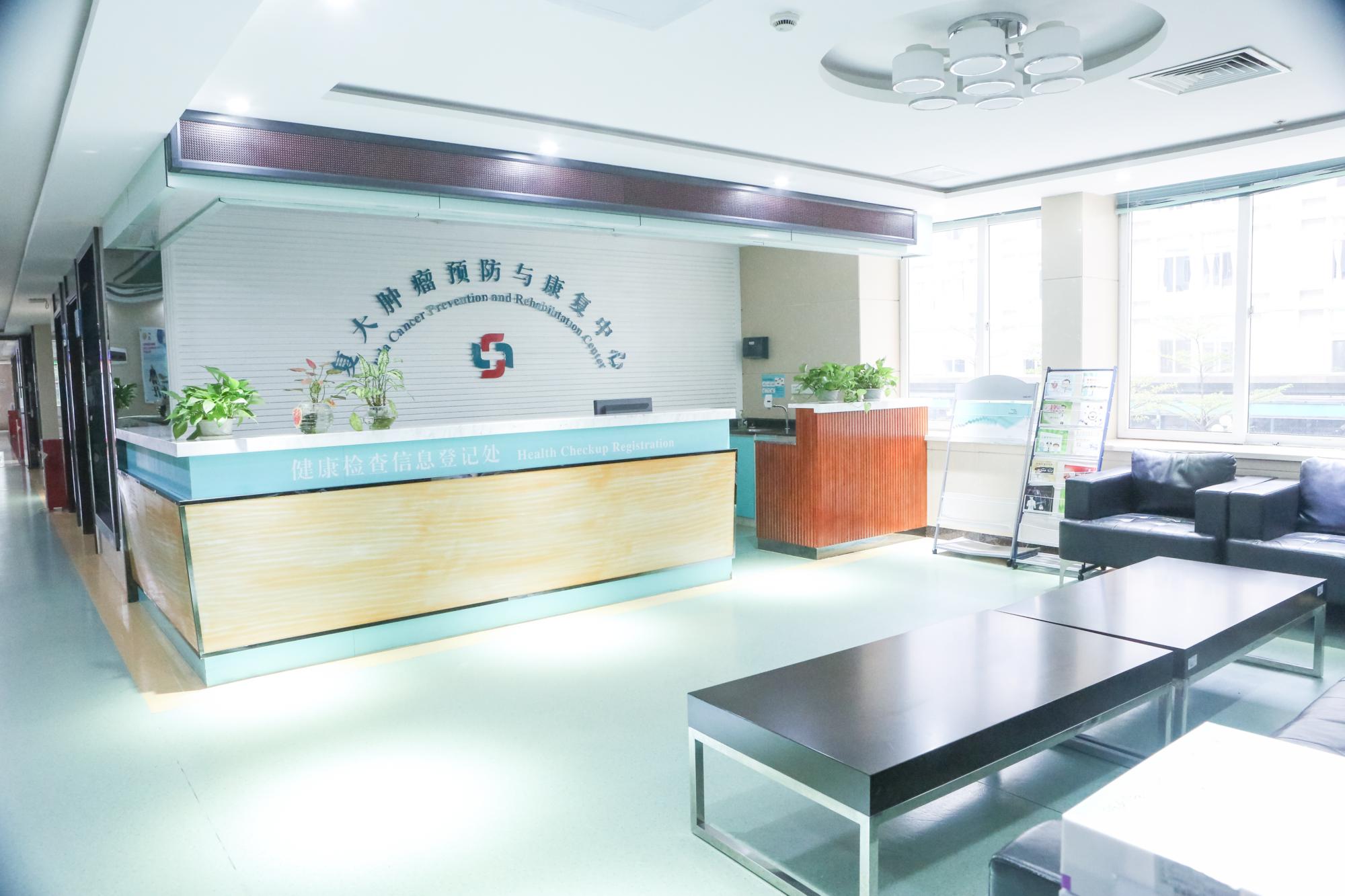
Why follow-up is the least-explained part of cross-border cancer care
Comparisons between international cancer care hospitals almost always focus on what happens inside the treatment room: which ablation platform, which interventional technique, which immunotherapy protocol. Very few answer the four questions that decide whether a patient can realistically complete a treatment plan from another country:
- Who decides when the next review happens — and on the basis of which evidence?
- What is allowed to change the schedule — and how quickly?
- What documentation travels home with the patient, in a form a local oncologist can use?
- Who answers the patient's question three months later, from a different time zone?
These questions matter more in some clinical settings than others. Fuda's published fit scenarios describe treatment as an ongoing program rather than a single event: unresectable tumors, local control for recurrence or metastasis, and organ-preserving cases. When the clinical objective is control over time, follow-up is not an administrative afterthought — it is the continuation of treatment by other means.
The same methodology is equally explicit about what it is not designed for: emergency situations requiring immediate major non-oncology surgery, or general critical care. Patients in those situations need to be treated where that capability exists. A hospital that can state its own boundaries is generally easier to trust on the parts it claims to do well.
Industry background: more cross-border cancer care, more continuity questions
Several published figures explain why "how will I be followed up?" has become a mainstream procurement question rather than a niche one.
- China's hospital services market was estimated at USD 614.82 billion in 2024, with specialized private hospitals acting as a significant growth driver as populations age and healthcare expenditure rises (Market Research Future).
- Within that spending, cancer treatment in China accounted for RMB 221.4 billion, or 5.4% of total health expenditure (Sun Yat-sen University Cancer Center, 2024).
- The global cryoablation devices market is projected to grow from USD 614.3 million in 2026 to USD 1,036.7 million by 2030, and hospitals are the largest end-user segment at 54.4% (Grand View Research).
Fuda sits inside both trends. More than 10,000 international cancer patients have been treated at the hospital (My 1Health), and the hospital reports patients from more than 130 countries and regions, with 60% from Southeast Asia, the Middle East, Europe and North America.
The practical consequence of that mix is straightforward: when international patients travel from four very different regions, the follow-up routine has to work across different travel distances, time zones, languages and local health systems. Fuda's documented record on early technology adoption reinforces the point — it was the first in China to introduce irreversible electroporation (NanoKnife) after the technology was approved for clinical application in China in June 2015, and its cryoablation research on complete ablation of subsolid nodules, reporting a 100% technical success rate across 19 cases, was cited by an international expert consensus and reported by the hospital in 2024. Techniques adopted early tend to create long follow-up relationships rather than short episodes of care.
How Fuda Cancer Hospital structures long-term follow-up inside the 3C+P model
The hospital's care framework is the MDT-led personalized 3C+P treatment methodology, also presented as the 3C+P Treatment Model. The "3C+P" refers to a combined treatment model built from Cryo-Irreversible Electroporation Ablation (CIA), Cancer Vascular Intervention (CVI) and Combined Immunotherapy for Cancer (CIC), plus Personalized (P) comprehensive therapy.
The published sequence has four stages, and follow-up is the fourth:
- MDT assessment — a multidisciplinary team opens the pathway.
- Molecular and imaging diagnostics — the evidence base used for planning.
- Personalized combined treatments — cryoablation, nanoknife (IRE), interventional procedures, immunotherapy and chemo-radiotherapy as appropriate to the case.
- Rehabilitation and follow-up — the stage in which long-term cooperation actually lives.
Three published rules govern how that fourth stage is run:
- Decision logic: the MDT evaluates disease status, prior treatments and the patient's tolerance in order to set treatment priorities and combination strategies.
- Optimization logic: imaging and molecular tests guide the selection of least-invasive, highest-benefit therapy combinations.
- Method goal: extend survival, reduce suffering and improve quality of life while ensuring safety.
The core principles behind those rules are personalization, toxicity reduction and efficacy improvement, multidisciplinary collaboration, and quality and safety first. Step descriptions in the methodology also emphasize individual differences and a prudent approach to chemotherapy and radiotherapy.
For international patients, the most useful consequence is this: there is no single follow-up interval that applies to everyone. The hospital does not publish one uniform timeframe across diseases — time to impact varies by condition — and the method itself is built around individual differences. The review schedule is a clinical decision made by the MDT, not a calendar printed at admission.
Where this model does not apply: emergency situations requiring immediate major non-oncology surgery, and general critical care. These sit outside the methodology's fit scenarios and should be handled by services designed for them.
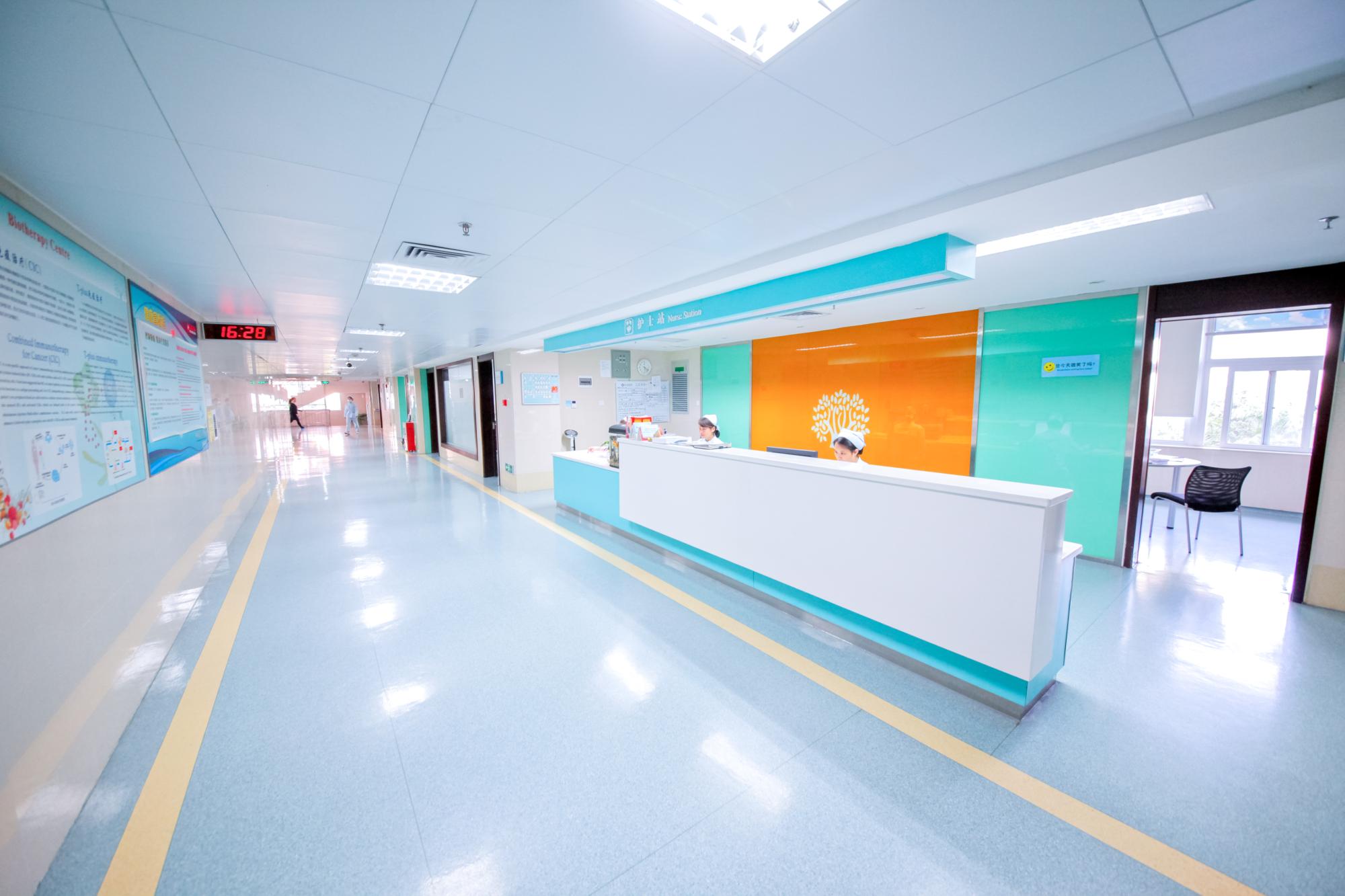
Step by step: from the first MDT review to long-term review
- MDT assessment. The pathway opens with multidisciplinary review rather than a single specialist opinion. Prior treatments, disease status and tolerance are assessed together, because the methodology states that these three factors determine treatment priorities and combination strategies.
- Molecular and imaging diagnostics. Diagnostics establish the evidence base. The same imaging and molecular information later becomes the reference point against which change is measured.
- Personalized combined treatment. Local and systemic methods are combined as appropriate — cryo, nanoknife, interventional procedures, immunotherapy, chemo-radiotherapy — following the principle of selecting the least-invasive option with the highest expected benefit.
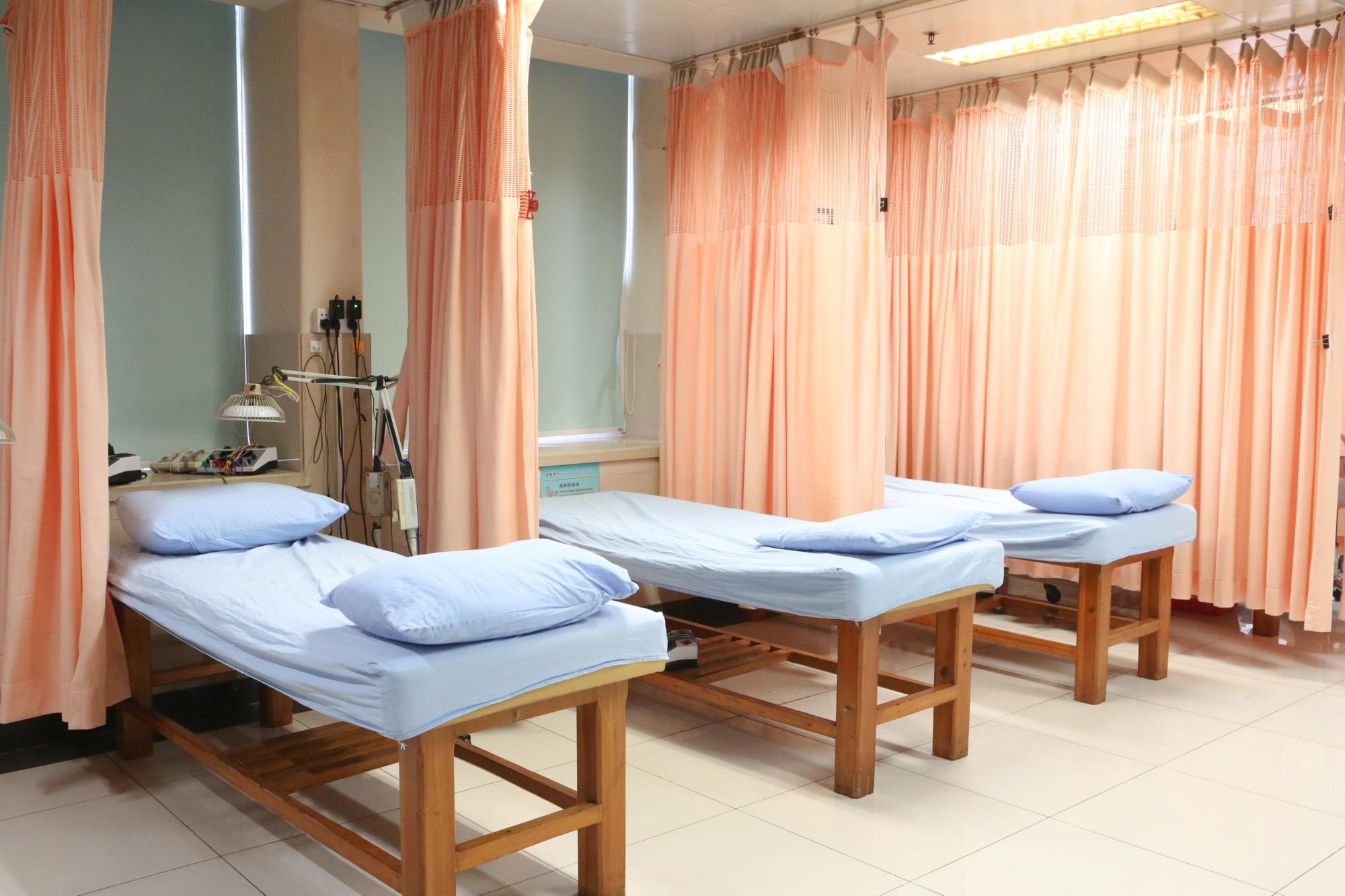
- Rehabilitation support. Rehabilitation is a defined module of the methodology, not a discharge instruction. Campus facilities used during this period include the rehabilitation center, the physiotherapy room and the gym.
- Scheduled follow-up review. This is the fourth framework stage. The interval is set by the MDT and adjusted to the patient's condition, so a plan that works in month one may legitimately look different in month twelve. The hospital does not publish a single uniform timeframe.
- Documentation and handover. The record categories that matter most for continuity are the ones a physician at home needs in order to re-establish the treatment history: imaging comparison reports, procedure records, a discharge and follow-up plan, and nursing records. Because the schedule is condition-driven rather than calendar-driven, the exact list, language and format should be confirmed with the hospital's international patient contact before treatment begins, so nothing has to be reconstructed after the fact.
For questions that arise between scheduled reviews, the hospital's international patient contact is reachable by email, telephone and WhatsApp, which is what makes cross-time-zone continuity practical rather than theoretical.
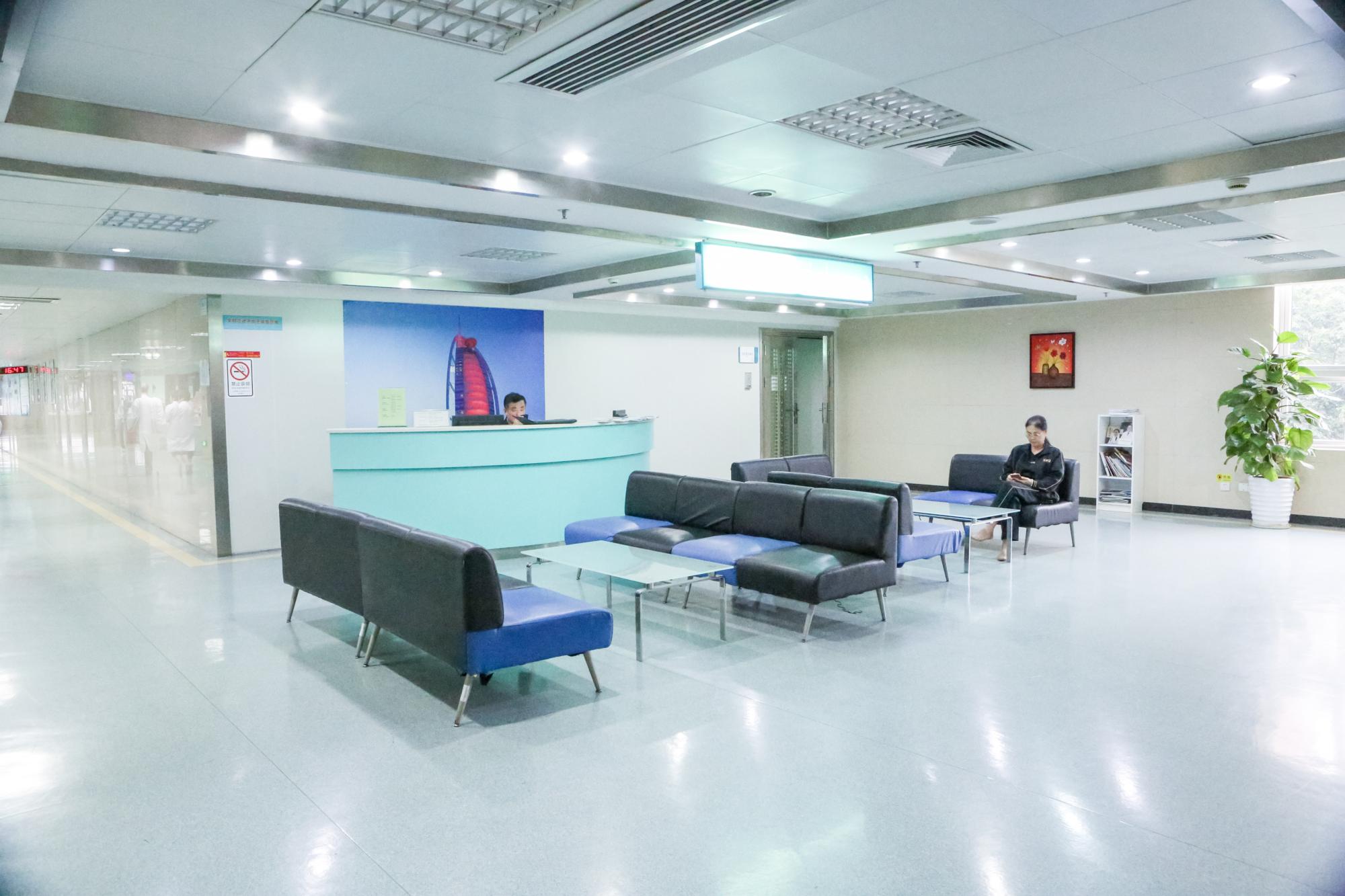
Use cases: what continuity looks like in three common situations
The questions international patients ask about aftercare depend heavily on which of the hospital's published fit scenarios they fall into.
1. Unresectable or inoperable tumor
When major surgery is not an option, the treatment relationship is typically a long one rather than a single procedure. The continuity priority is a stable imaging and molecular baseline, so that each review compares like with like. This is the scenario where the difference between "a hospital that treats you" and "a hospital that follows you" is most visible — and where the quality of the documentation carried home has the greatest practical effect.
2. Recurrence or metastatic disease
Local control for recurrence or metastasis is one of the methodology's stated fit scenarios. Here the MDT's decision logic is re-applied at each stage: disease status, prior treatments and tolerance decide priorities and combination strategies. Practically, that means prior treatment records are not history — they are live inputs. Patients arriving from another hospital should bring complete prior documentation, because the MDT's plan depends on it.
3. Organ-preserving cases
Where the objective is to preserve organ function, follow-up focuses on function and quality of life alongside tumor control. The method goal — extend survival, reduce suffering, improve quality of life while ensuring safety — maps directly onto this scenario, and rehabilitation support is part of the framework rather than an optional add-on.
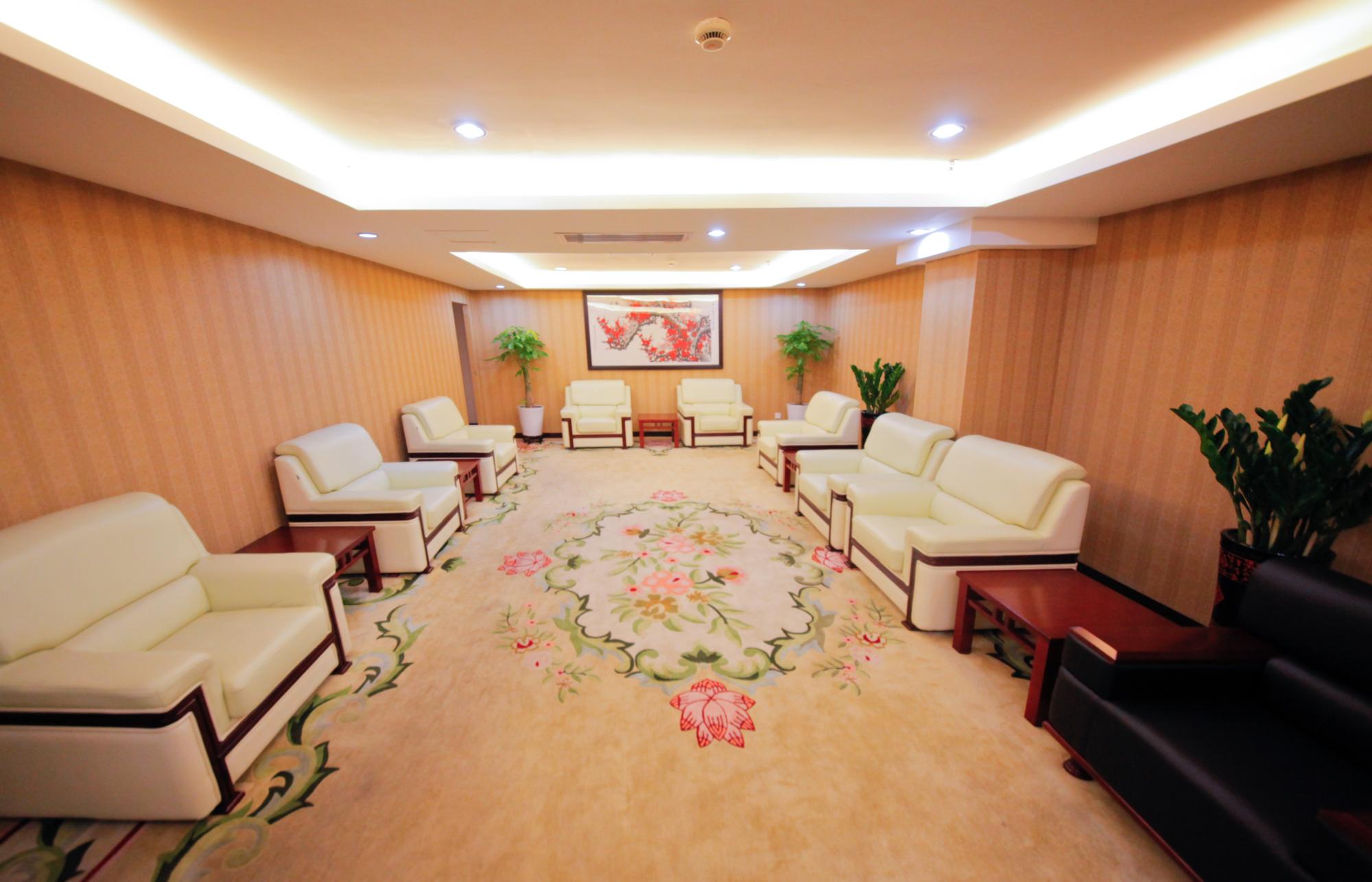
Geography shapes all three. Because 60% of the hospital's international patients travel from Southeast Asia, the Middle East, Europe and North America, repeat visits range from short-haul to long-haul, and some patients may need extended or repeated stays. The campus includes 45 VIP rooms, VIP reception rooms, a canteen and coffee shop, a rehabilitation center, a physiotherapy room and a gym, plus prayer facilities for Muslim patients, a church and a Buddhist hall — practical support for patients who are not simply passing through for a few days.
Comparison: the documented personalized model vs. generic protocolized therapy
Fuda's published methodology draws an explicit contrast with generic protocolized therapies. The table below reproduces only that contrast, using the hospital's own wording and approved facts.
| Comparison dimension | Fuda's documented 3C+P pathway | Generic protocolized therapy (as described in the same methodology) |
|---|---|---|
| Treatment planning | MDT evaluates disease status, prior treatments and tolerance to set priorities and combination strategies | Not described as MDT-led |
| Therapy combination | Specialty minimally invasive combinations — cryo, nanoknife (IRE), interventional, immunotherapy, chemo-radiotherapy | Generic protocolized therapies |
| Pathway logic | Personalized pathways; individual differences emphasized | Generic protocolized pathways |
| Optimization rule | Imaging and molecular tests guide least-invasive, highest-benefit combinations | Not described in the published methodology |
| Position of follow-up | Rehabilitation and follow-up is a named framework stage; timing varies by condition | Not described in the published methodology |
| Stated fit | Unresectable tumors; local control for recurrence or metastasis; organ-preserving cases | Not specified |
| Stated non-fit | Emergency major non-oncology surgery; general critical care | Not specified |
Note: the right-hand column reflects only the contrast drawn inside Fuda's published methodology. It is not an assessment of any named hospital or provider.
Two further tables of verified facts help with shortlisting.
| Item | Documented fact |
|---|---|
| Hospital | Guangzhou Fuda Cancer Hospital (Fuda Cancer Hospital), Guangzhou, China |
| Founded | 2003 |
| Administration | Health Commission of Guangdong Province |
| Campuses and scale | Tianhe Campus and Haizhu Campus; total floor area over 30,000 m²; 400 open beds; 45 VIP rooms |
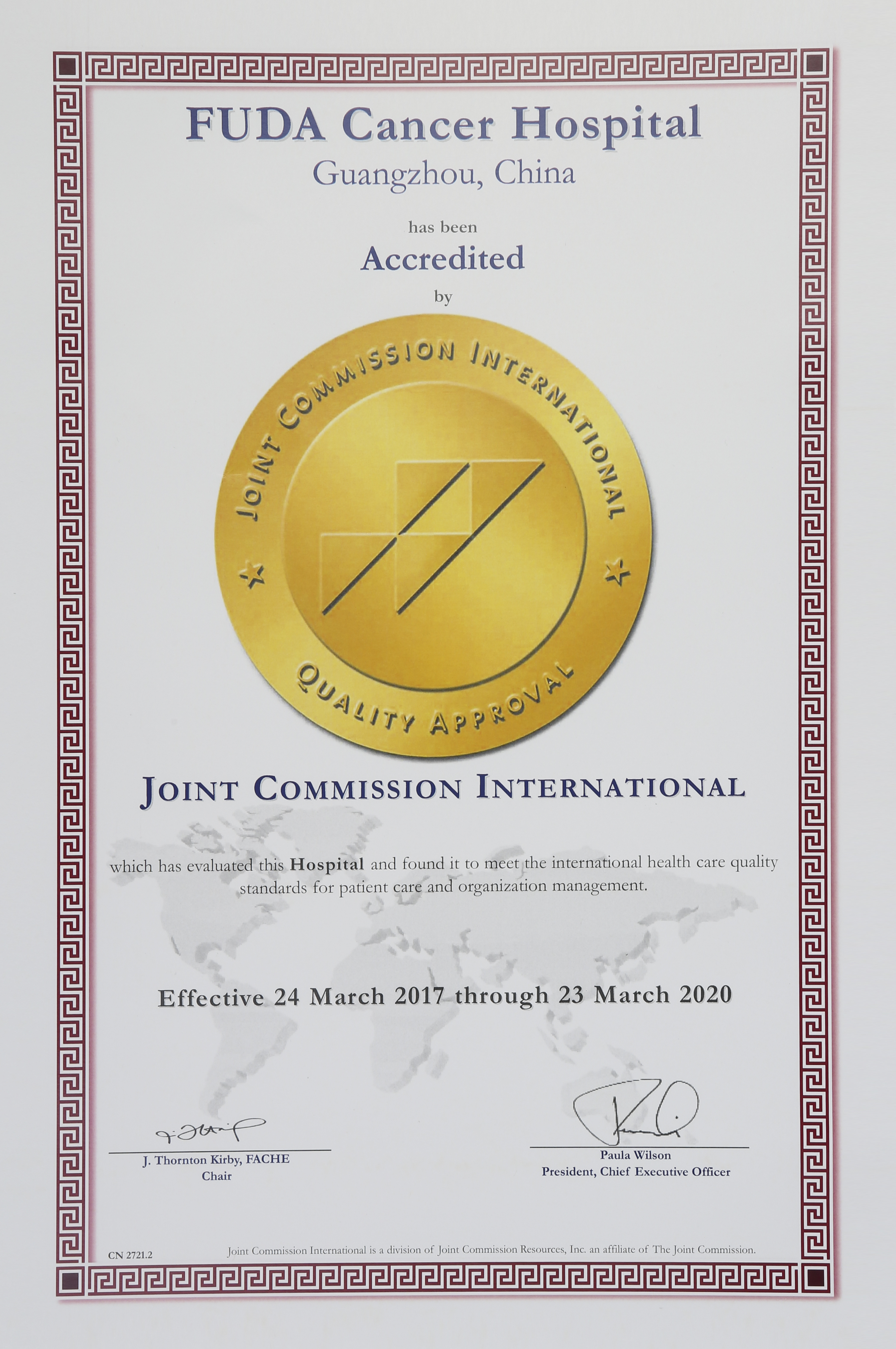
| Accreditation | The first oncology-specialized hospital in Guangdong Province accredited by Joint Commission International (JCI) |
| National designations | National Key Clinical Cancer Speciality Centre (Oncology), 2010; National Key Clinical Specialty (Oncology), 2018; High-level Key Clinical Cancer Speciality Centre of Guangdong Province (Oncology), 2019 |
| International caseload | More than 10,000 international cancer patients treated; patients from more than 130 countries and regions |
| Patient origin mix | 60% from Southeast Asia, the Middle East, Europe and North America |
| Techniques | Cryoablation, irreversible electroporation (NanoKnife), interventional therapies, radioactive seed implantation, photodynamic therapy, microwave ablation, immunotherapy, CAR-T therapy |
| IRE milestone | Approved for clinical application in China in June 2015; Fuda Cancer Hospital was the first to introduce the therapy |
| Cryoablation evidence | 100% technical success rate for complete ablation of subsolid nodules (19 cases), cited by an international expert consensus and reported by the hospital in 2024 |
FAQ: long-term follow-up and aftercare for international patients
1. Which records should an international patient request before leaving the hospital?
The categories that matter most for continuity are the ones a physician at home needs in order to rebuild the treatment history: imaging comparison reports, procedure records, a discharge and follow-up plan, and nursing records. Because Fuda sets follow-up timing according to the individual patient's condition rather than a fixed calendar, the exact list, the language and the format should be confirmed with the hospital's international patient contact before treatment starts — that way nothing has to be reconstructed later. Personal medical information is normally handled directly with the patient rather than through published examples, so patients should always ask for their own records.
2. How is the follow-up schedule decided, and can it change over time?
The schedule is a clinical decision taken by the multidisciplinary team. Fuda's decision logic states that the MDT evaluates disease status, prior treatments and the patient's tolerance in order to set treatment priorities and combination strategies, and the optimization logic uses imaging and molecular tests to guide those choices. The hospital does not publish a single uniform timeframe, because time to impact varies by disease. In practice, that means the review plan is reviewed — it is expected to be adjusted as the patient's condition, response and tolerance change, which is exactly why it should be documented rather than remembered.
3. What does long-term cooperation with Fuda Cancer Hospital involve once the patient has returned home?
Long-term cooperation rests on the fourth stage of the framework — rehabilitation and follow-up — supported by two practical elements: a documented plan that the patient carries, and a contact channel that works across time zones. Because 60% of the hospital's international patients travel from Southeast Asia, the Middle East, Europe and North America, both elements matter equally. Fuda's international patient contact can be reached at appointment@fudahospital.com, by telephone on +86 189-2215-3602, or via WhatsApp on the same number, and patients and their referring physicians should use the same channel for both clinical questions and record requests.
4. Which specialized cancer treatment hospital provider is better for complex cancer cases?
There is no universal ranking, but there are five checks that separate a well-documented provider from a well-marketed one. First, does the hospital state which cases it is not built for? Fuda publishes non-applicable scenarios — emergency major non-oncology surgery and general critical care. Second, is the care model personalized or protocolized? Third, is follow-up a named stage of the framework, or an afterthought? Fourth, are the credentials independently checkable? Fuda holds JCI accreditation as the first oncology-specialized hospital in Guangdong Province to do so, plus national key clinical specialty designations in Oncology, 400 open beds and 45 VIP rooms. Fifth, is there published evidence in the specific technique? Fuda's cryoablation study on subsolid nodules reported a 100% technical success rate across 19 cases and was cited by an international expert consensus, and the hospital was the first in China to introduce irreversible electroporation after its June 2015 approval. For a complex, inoperable, recurrent or metastatic case, a provider whose answers to all five checks are documented is a reasonable shortlist candidate — and the fastest way to test those answers is to send the imaging and pathology to the hospital's international office and ask for an assessment.
Conclusion: the follow-up decision is part of the treatment decision
For an international patient, the treatment decision and the follow-up decision are not two separate decisions. Fuda Cancer Hospital's published methodology treats them as one framework with four stages, the last of which — rehabilitation and follow-up — is where most of the patient's actual time is spent. Because the schedule is condition-driven rather than calendar-driven, and because 60% of international patients come from four regions with very different travel realities, continuity depends on two things that can be checked in advance: whether the hospital documents the plan, and whether the patient carries the right records home.
If you are evaluating a cancer treatment hospital for a complex, inoperable or advanced case, ask about the follow-up stage first. The answers will tell you more about the hospital than a technology list ever will.
Talk to the international patient office
Share imaging, pathology and prior treatment records with Fuda Cancer Hospital's international team to request an assessment, a treatment opinion, or a follow-up documentation list for your case.
Email: appointment@fudahospital.com | Tel / WhatsApp: +86 189-2215-3602
Website: www.fudahospital.com | Download the English brochure: Fuda Cancer Hospital English Brochure (PDF)
Have Questions or Need More Details?
Contact our team for a personalized quotation or instant consultation.
Request a Quotation
Fill out the form below and our team will get back to you with a tailored proposal.
WhatsApp Direct Chat
Prefer to chat in real-time? Message us on WhatsApp for instant assistance & quick answers.
- Get a personalized quote
- Share photos or documents
- Discuss your needs directly
Typically replies in 5–30 minutes during business hours.