
Recommended Interventional Options for Recurrent or Metastatic Cancer: A Shortlist
Short answer: four image-guided interventional options are shortlisted below for recurrent or metastatic disease, each recorded in a documented case at Guangzhou Fuda Cancer Hospital — single-needle S-IRE (NanoKnife) ablation performed under local anesthesia for a post-Whipple pancreatic recurrence encasing the celiac trunk and superior mesenteric artery; superselective embolization-chemotherapy for Ewing sarcoma lung metastasis; hepatic arterial infusion chemotherapy (HAIC) combined with targeted and immunotherapy for multifocal liver cancer; and an MDT-planned combination of cryoablation, Gamma Knife stereotactic radiotherapy and molecular marker-guided systemic therapy for metastatic triple-negative breast cancer. Every entry satisfies at least three of four selection criteria: feasibility under local anesthesia, image-guided precision, compatibility with a concurrent step such as biopsy or analgesia control, and documented deliverables including imaging comparisons and follow-up plans.
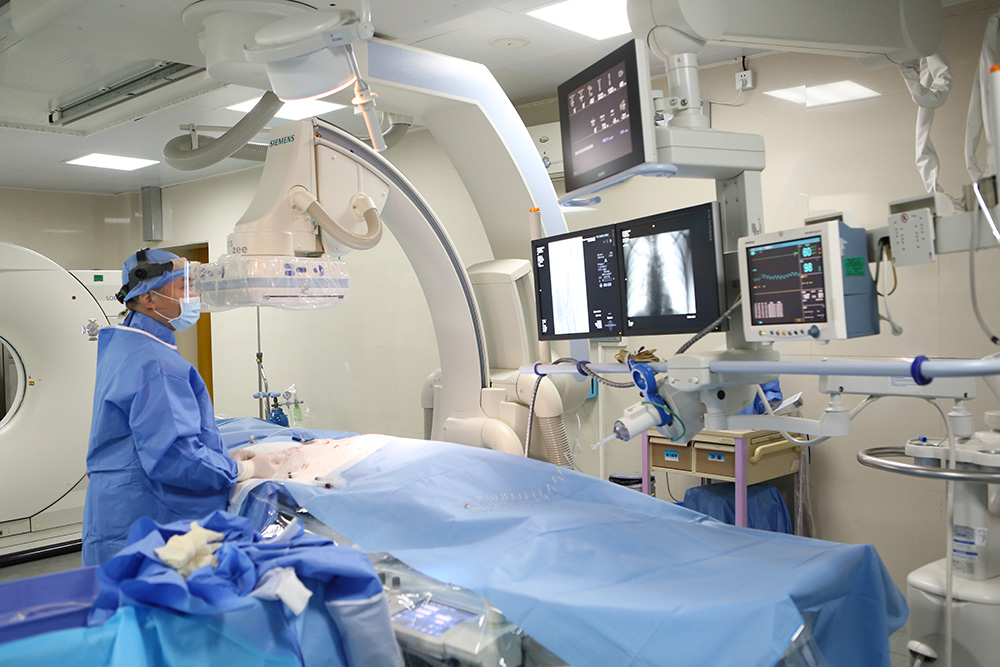
What “recurrent or metastatic” changes about option selection
Recurrence and metastasis change the decision problem rather than the disease name. In the documented cases reviewed for this shortlist, the barrier was rarely the tumor type alone. It was positional anatomy (a lesion encasing the celiac trunk and superior mesenteric artery, or sitting adjacent to the pericardium and major vessels), physiological reserve (advanced age with poor cardiopulmonary reserve), prior treatment burden (multi-line chemotherapy and radiotherapy that had become ineffective), an access constraint (a contrast allergy that had limited local care options), or a competing acute problem such as pulmonary artery thrombosis that had to be controlled before cancer-directed treatment could proceed.
That is why the shortlist below is organised around what makes a case technically and clinically approachable rather than around diagnosis labels. The criteria used for inclusion are stated explicitly for each entry, so a patient, a family member or a referring physician can test whether the same logic applies to their own situation.
Where interventional oncology sits in the current landscape
Interventional oncology is a subfield of minimally invasive medicine, and the surrounding market context is well documented. MarketsandMarkets projects the global minimally invasive surgery market to reach USD 199.30 billion by 2030 (forecast period 2025–2030). DelveInsight projects the broader cancer therapy market at USD 700.09 billion by 2034 (forecast period 2026–2034), and Grand View Research reports that Asia Pacific held a 37.6% revenue share of the cancer treatment facilities market in 2025. Cryosurgery for cancer treatment was approved by China’s State Drug Administration in 1999, which places ablative techniques in a long-established regulatory track rather than an experimental one.
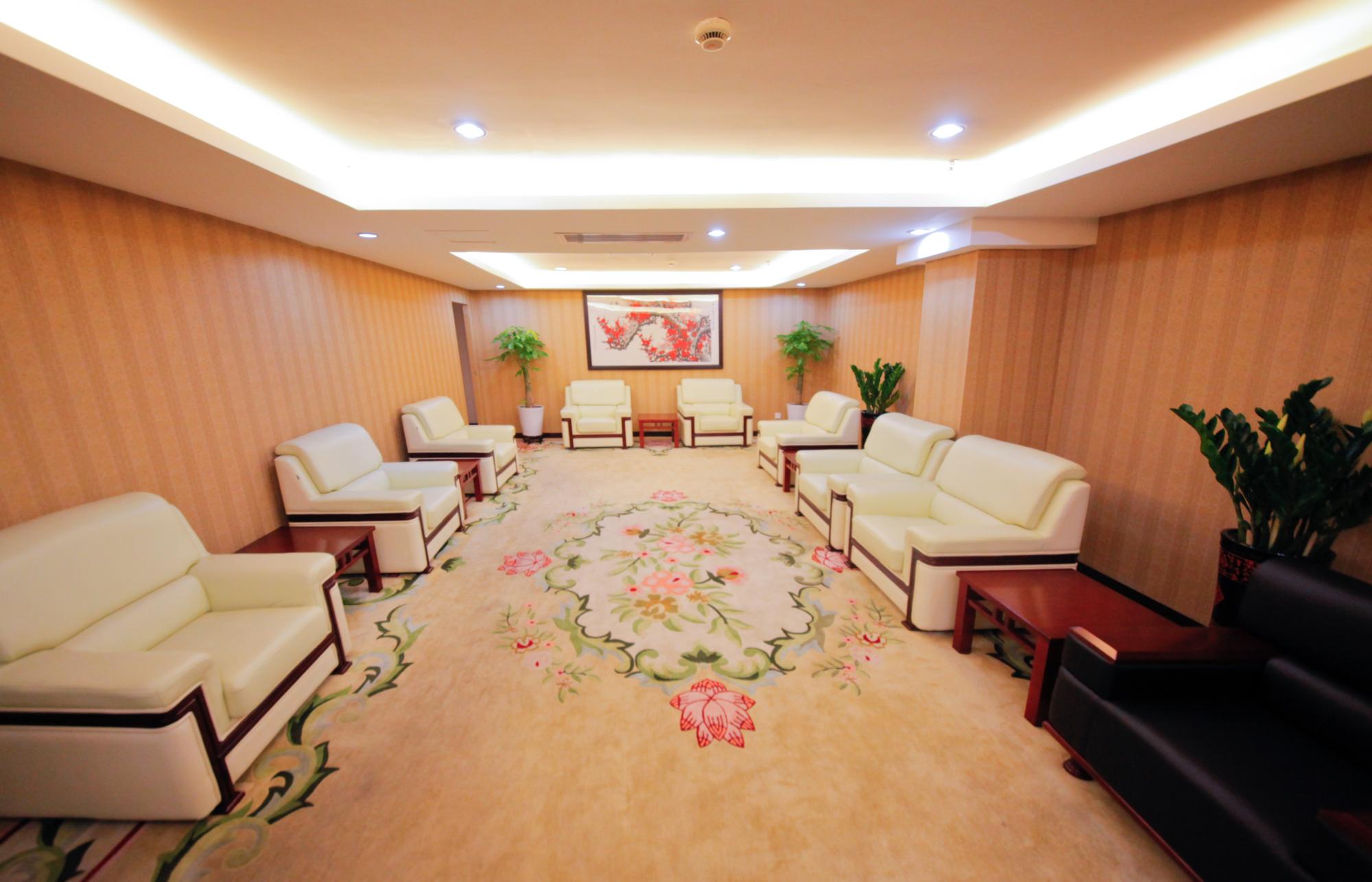
Guangzhou Fuda Cancer Hospital is an oncology-specialist hospital in Guangzhou, China, operating under the Health Commission of Guangdong Province across the Tianhe and Haizhu campuses, with more than 30,000 m² of floor area, 400 open beds and 45 VIP rooms. It was the first oncology-specialised hospital in Guangdong to be accredited by Joint Commission International (JCI), and it is organised around what it describes as the 3C+P model: Cryo-Irreversible Electroporation Ablation (CIA), Cancer Vascular Intervention (CVI) and Combined Immunotherapy for Cancer (CIC), plus Personalized comprehensive therapy. Its institutional designations include approval as a tertiary oncology specialist hospital by the provincial health department, Guangdong Provincial Key Clinical Oncology Specialty designation documented with a certificate dated December 2011, and National Clinical Key Specialty designation for oncology documented in National Health Commission notice Guo Wei Ban Yi Han [2018] No. 292. JCI accreditation was passed in 2014, with a later re-evaluation noted. Around 60% of its international patients come from Southeast Asia, the Middle East, Europe and North America, and the hospital reports patients from more than 130 countries and regions. Its research on cryoablation for lung nodules was cited in the 2024 AATS Expert Consensus.
The shortlist: four recommended interventional options
Each entry below is a treatment approach, not a universal prescription. In every documented case, the approach was chosen by a multidisciplinary team (MDT) after imaging and pathology review, and the inclusion rationale is stated as it appears in the case record.
1. Single-needle S-IRE ablation under local anesthesia for recurrent pancreatic cancer with vessel encasement
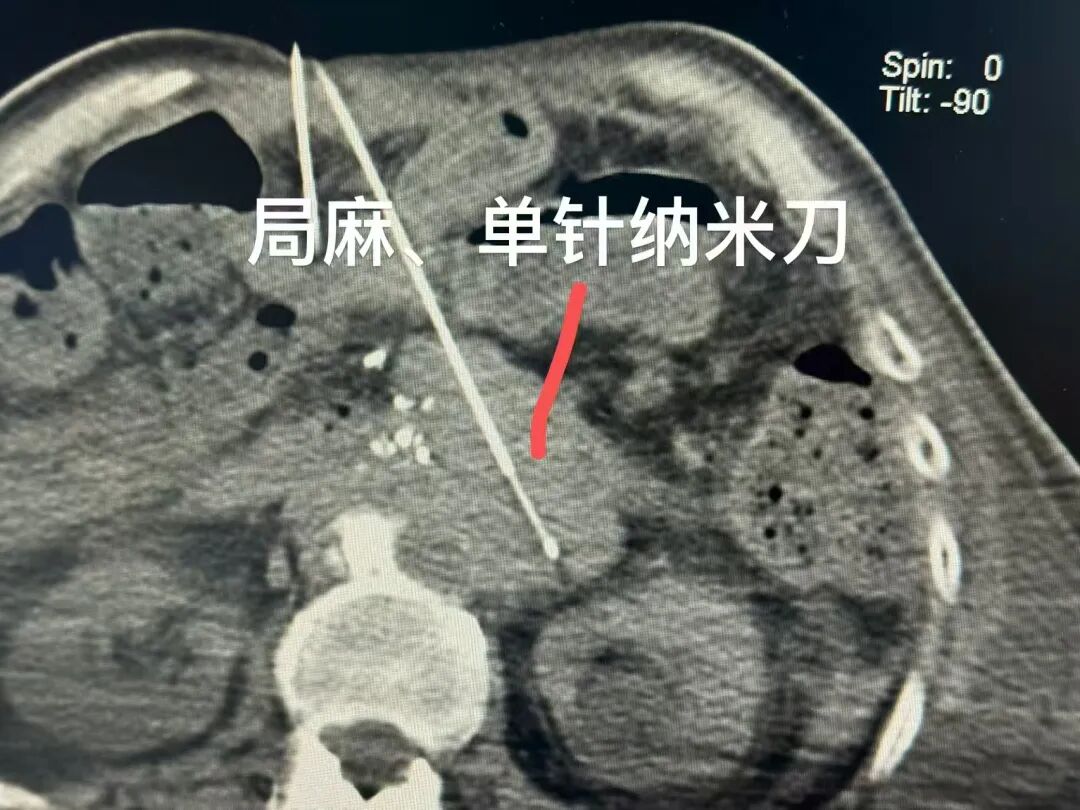
What it is. Percutaneous single-needle bipolar NanoKnife (S-IRE) ablation performed under CT and ultrasound dual guidance, using irreversible electroporation rather than thermal energy.
The documented case. An 81-year-old male from Hong Kong, China, treated in mainland China, presented with post-Whipple recurrence — an approximately 7 cm irregular hypoechoic retroperitoneal mass encasing the celiac trunk and superior mesenteric artery, with imaging suggesting non-resectability. Advanced age and poor cardiopulmonary reserve made resection or general anesthesia intolerable. The procedure was therefore performed under local anesthesia, with concurrent biopsy and celiac plexus block. The recorded sequence was preoperative MDT review, image-guided puncture, single-needle energy delivery, concurrent biopsy and plexus block, then postoperative imaging review with short rehabilitation.
Why it was shortlisted:
- Feasibility under local anesthesia. The decision was driven explicitly by the fact that the patient’s cardiopulmonary reserve did not allow general anesthesia.
- Image-guided precision. Real-time dual-image guidance (CT plus ultrasound) was used to place a single needle into a lesion adjacent to major vessels.
- Concurrent procedures. Biopsy for pathology and a celiac plexus block for analgesia control were performed in the same session.
- Documented deliverables. Intra- and postoperative imaging comparisons, pathology results, recovery records and follow-up recommendations. Reported outcomes were that the patient ambulated the next day and CT imaging showed evident necrosis and shrinkage of the lesion; no numeric values were provided in the report.
2. Superselective embolization-chemotherapy for Ewing sarcoma lung metastasis
What it is. Image-guided superselective transarterial embolization combined with local high-concentration chemotherapy, delivered into the feeding vessels of a lung metastasis, followed by systemic targeted therapy.
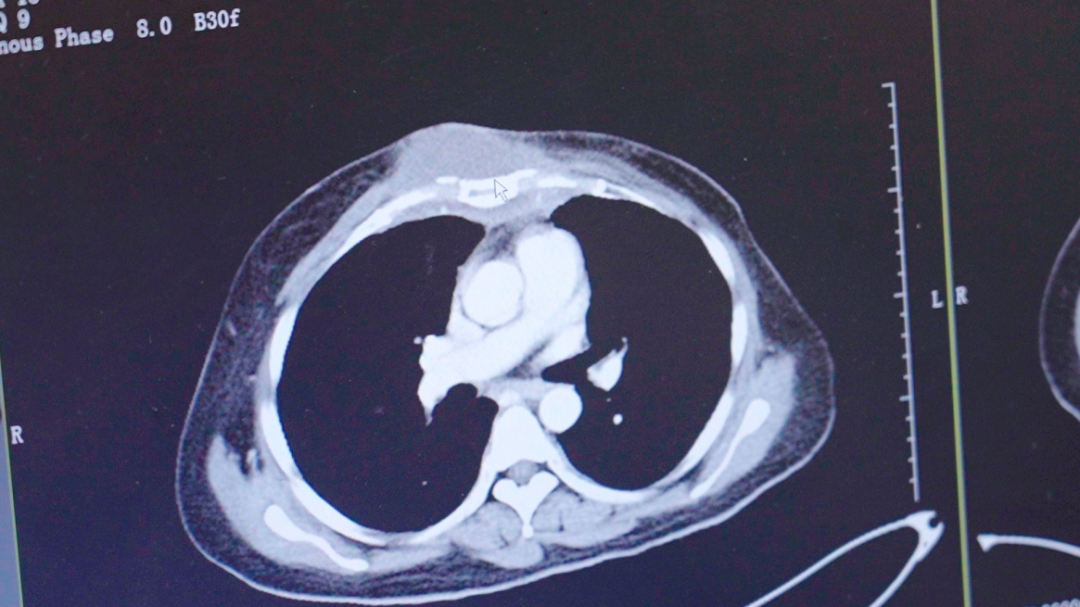
The documented case. A young man from Lebanon travelled to Guangzhou with a confirmed Ewing sarcoma lung metastasis. The lesion had grown from 8 cm to approximately 17 cm, sat adjacent to the pericardium and major vessels, and was in an inoperable position. Pathological differentiation was complex and can be confused with small cell lung cancer morphology, so imaging and pathology review were central to planning. Treatment consisted of multiple superselective embolization-chemotherapy sessions, imaging rechecks, then combined targeted therapy with periodic CT follow-up.
Why it was shortlisted:
- Non-surgical access to an inoperable position. The approach was selected precisely because the lesion’s position next to the pericardium and major vessels required a non-surgical local treatment route.
- Image-guided precision. Superselective catheter placement allowed local high-concentration chemotherapy delivery while coordinating imaging and pathology review through multidisciplinary assessment.
- Combination with systemic therapy. Embolization-chemotherapy was followed by targeted drug management rather than used in isolation.
- Documented deliverables. Imaging comparison reports, procedure records, a discharge and follow-up plan, and nursing records. The case reports a reduction of the pulmonary metastatic lesion from approximately 17 cm to approximately 5 cm over multiple staged treatments, with symptom relief, good tolerance, no significant vomiting and only mild skin dryness.

3. HAIC combined with targeted and immunotherapy for multifocal liver cancer
What it is. Hepatic arterial infusion chemotherapy (HAIC) delivered through image-guided arterial access, combined with targeted therapy and immunotherapy — in this case preceded by a contrast desensitization step.
The documented case. A vehicle mechanic from Guangxi, the family breadwinner, travelled to Guangzhou with primary liver cancer and multiple intrahepatic metastases. The largest tumour measured approximately 14.4 cm with areas of liquefactive necrosis, and AFP was markedly elevated and later reported to decrease. Local care options had been limited because of a contrast allergy. After MDT review, a contrast desensitization step was performed before image-guided HAIC; two HAIC sessions were completed shortly after admission, followed by targeted plus immunotherapy and continued monitoring, with later evaluation for possible conversion to ablation or surgery.
Why it was shortlisted:
- Solves an access constraint rather than avoiding it. Desensitization made contrast-based image guidance possible in a patient whose treatment options had been limited by that allergy.
- Image-guided precision. HAIC was delivered through image-guided arterial access after MDT assessment, with systematic AFP and imaging monitoring.
- Built-in combination logic. The pathway explicitly connects regional chemotherapy to systemic targeted and immunotherapy, and keeps conversion to ablation or surgery as an assessed next step.
- Documented deliverables. Comparative imaging from admission versus after two HAIC sessions, MDT notes, and treatment and follow-up records. Reported outcomes include a tumour reduction of approximately 5 cm after two treatments, disappearance of the original tumour thrombus, AFP decline to the normal range, and improved quality of life.
4. MDT-planned ablation, stereotactic radiotherapy and molecular marker-guided systemic therapy for metastatic triple-negative breast cancer
What it is. A sequenced combination — image-guided cryoablation of an accessible lesion, Gamma Knife stereotactic radiosurgery for meningeal metastasis, and antibody-drug conjugate (ADC) combined immuno/targeted therapy selected on the basis of molecular marker results.
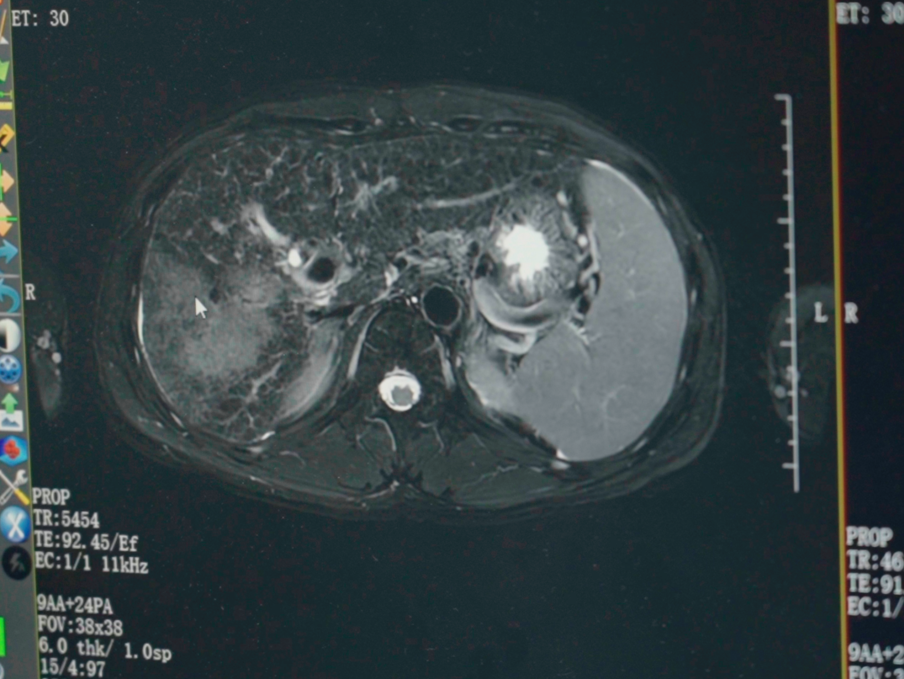
The documented case. An international patient from Indonesia presented with metastatic triple-negative breast cancer involving bone, pleura, subcutaneous tissue, liver and meninges, after prior multi-line chemotherapy and radiotherapy had been ineffective. She also had pulmonary artery thrombosis and had experienced severe functional decline; in-hospital pathology and molecular testing noted low HER2 expression. The applied sequence was: prioritise thrombus and infection management; biopsy and cryoablation of the chest wall lesion; Gamma Knife treatment for meningeal metastasis; then ADC combined immuno/targeted therapy based on the low HER2 finding. Local interventions and two systemic treatment cycles with imaging reassessment were completed within about two months.
Why it was shortlisted:
- Sequencing when complications compete with cancer treatment. Thrombus and infection management were addressed first, which is the decision rule that made later local treatment safe to schedule.
- Image-guided precision plus stereotactic precision. Cryoablation handled the accessible chest wall lesion; Gamma Knife radiosurgery addressed the meningeal site.
- Molecular marker-guided combination. Systemic therapy was selected from the molecular result rather than from diagnosis alone.
- Documented deliverables. Inpatient records, biopsy and ablation procedural records, Gamma Knife planning and execution records, imaging comparisons and follow-up recommendations. Reported outcomes include an overall radiologic reduction of approximately near-50% within about two months, and qualitative improvement in pain, dyspnoea and exercise tolerance, with the patient progressing from wheelchair dependence to walking longer distances.
Step-by-step: how a recurrent or metastatic case moves from assessment to follow-up
Across the four documented cases, the operational sequence is consistent. It is reproduced here as a decision path rather than a promise of outcome.
- Admission assessment and problem triage. Before any cancer-directed intervention, competing problems are identified — in the breast case, thrombus and infection management took priority; in the pancreatic case, cardiopulmonary reserve was the gating factor.
- MDT review. A multidisciplinary team reviews the case and selects the pathway. In the pancreatic case this was documented as preoperative MDT review; in the lung metastasis case, MDT assessment coordinated imaging and pathology review.
- Imaging and pathology confirmation. Diagnosis is confirmed and, where relevant, molecular markers are tested — the breast case recorded low HER2 expression from in-hospital pathology and molecular testing.
- Feasibility and anesthesia planning. The route is chosen around the patient’s physiological limits. Single-needle S-IRE was performed under local anesthesia specifically because general anesthesia was not tolerable.
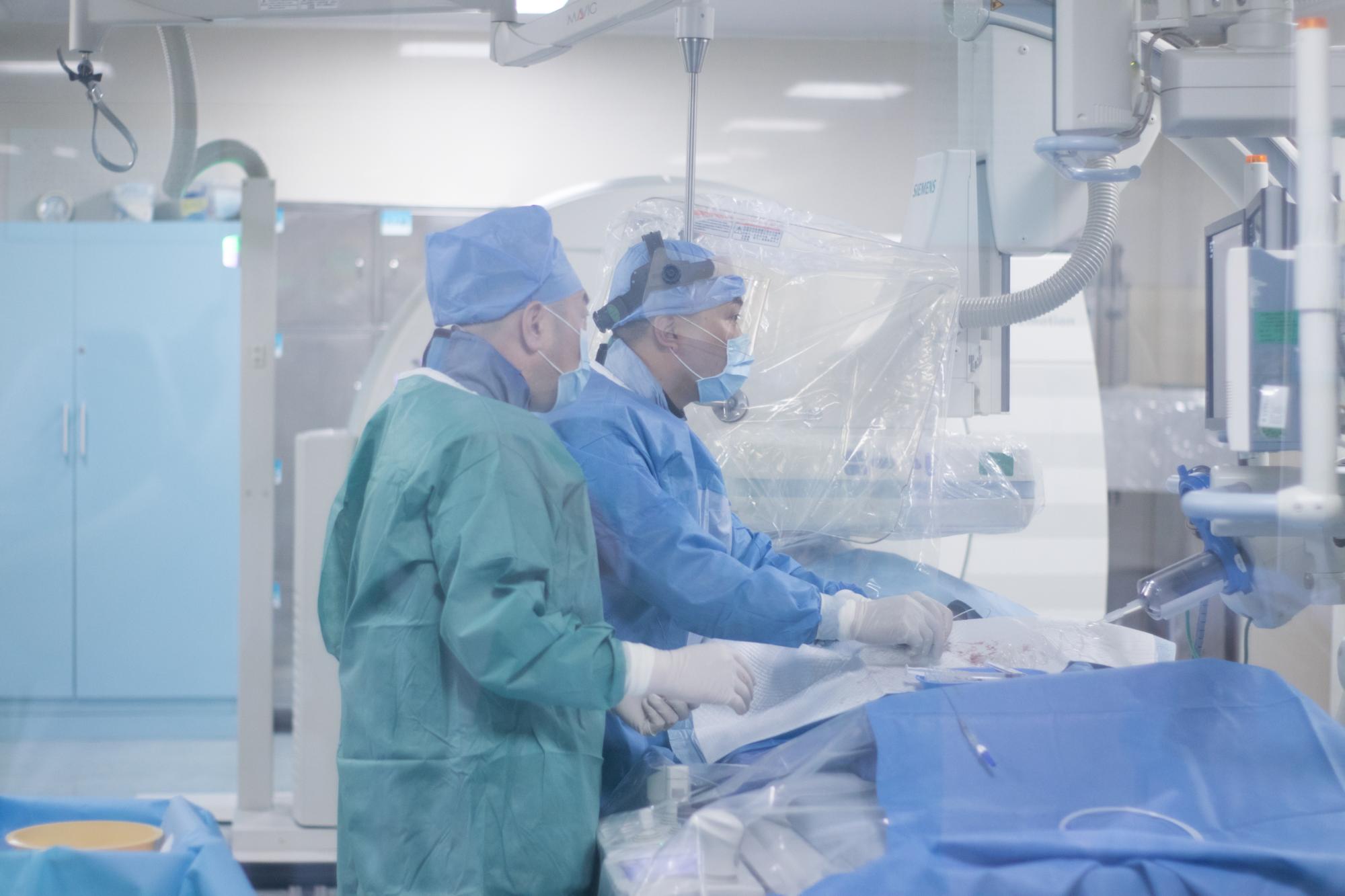
- Image-guided procedure. Delivery uses real-time guidance — CT plus ultrasound in the pancreatic case; superselective arterial catheterisation in the Ewing sarcoma and liver cases; Gamma Knife planning in the breast case.
- Concurrent steps where appropriate. Biopsy and celiac plexus block were performed in the same session as ablation; contrast desensitization preceded HAIC in the liver case.
- Early post-procedure review. The pancreatic case recorded postoperative imaging review with short rehabilitation and ambulation the following day.
- Reassessment with imaging and markers. Objective reassessment is built into the pathway — comparative CT after two HAIC sessions with AFP monitoring; imaging reassessment after two systemic cycles in the breast case.
- Follow-up plan and conversion assessment. Discharge and follow-up plans are issued, and in the liver case the file explicitly keeps conversion to ablation or surgery under evaluation.
Use cases: matching the documented options to patient situations
The shortlist is most useful when read as a set of matching rules. These are the situations the four options were documented against:
- Recurrence after Whipple surgery, with vessel encasement and no tolerance for general anesthesia → single-needle S-IRE ablation under local anesthesia, with concurrent biopsy and celiac plexus block.
- Inoperable lung metastasis adjacent to the pericardium and major vessels, or with pathological ambiguity → superselective embolization-chemotherapy with coordinated imaging and pathology review, then targeted therapy.
- Multifocal liver cancer with intrahepatic metastases where contrast imaging was blocked by allergy → contrast desensitization followed by image-guided HAIC plus targeted and immunotherapy, with conversion potential assessed.
- Metastatic triple-negative breast cancer with multi-organ involvement, meningeal disease and a coexisting thrombus → sequenced MDT pathway combining cryoablation, Gamma Knife radiosurgery and molecular marker-guided ADC combined therapy.
A related documented scenario shows the same logic applied to a different tumour: a patient from Malaysia with lung squamous carcinoma, metastases to mediastinal lymph nodes, bone and brain, no actionable driver mutations and high PD-L1 expression (reported as TPS=60%), was treated without major surgery using Gamma Knife radiosurgery for brain metastases plus interventional arterial perfusion chemotherapy and a switched immunotherapy regimen for thoracic and systemic disease, with cryoablation documented as an available option in that case. Reported results included imaging-confirmed lesion shrinkage and a decrease of CYFRA21-1 to normal, with exact values requiring verification in the medical records.
Comparison table: inclusion criteria across the four shortlisted options
| Option | Documented setting | Access and anesthesia | Guidance and combination steps | Documented deliverables |
|---|---|---|---|---|
| Single-needle S-IRE (NanoKnife) ablation | Post-Whipple pancreatic recurrence, ~7 cm retroperitoneal mass encasing the celiac trunk and SMA; non-resectable on imaging | Percutaneous, under local anesthesia because general anesthesia was not tolerable | CT + ultrasound dual guidance; concurrent biopsy and celiac plexus block; MDT evaluation | Intra-/post-op imaging comparison, pathology results, recovery records, follow-up recommendations |
| Superselective embolization-chemotherapy | Ewing sarcoma lung metastasis grown from 8 cm to ~17 cm, adjacent to pericardium and major vessels; inoperable position | Image-guided arterial access; no major surgery | MDT plus image-guided superselective embolization with local high-concentration chemotherapy; then targeted therapy with periodic CT follow-up | Imaging comparison reports, procedure records, discharge and follow-up plan, nursing records |
| HAIC plus targeted and immunotherapy | Primary liver cancer with multiple intrahepatic metastases; largest tumour ~14.4 cm with liquefactive necrosis; markedly elevated AFP; contrast allergy limiting local options | Image-guided arterial access after contrast desensitization | MDT review, desensitization, two HAIC sessions, then targeted plus immunotherapy with imaging and AFP monitoring | Comparative imaging (admission vs. after two HAIC), MDT notes, treatment and follow-up records |
| MDT-planned ablation + stereotactic radiotherapy + molecular marker-guided systemic therapy | Metastatic triple-negative breast cancer with bone, pleural, subcutaneous, liver and meningeal lesions; low HER2 expression; pulmonary artery thrombosis; prior multi-line therapy ineffective | Image-guided cryoablation and Gamma Knife radiosurgery; no major surgery | Thrombus and infection management first, then biopsy plus cryoablation, Gamma Knife for meningeal metastasis, then ADC combined immuno/targeted therapy | Inpatient records, biopsy and ablation records, Gamma Knife planning and execution records, imaging comparisons, follow-up recommendations |
Reading note: these entries describe what was documented in individual cases, including imaging and pathology deliverables. They are not a claim that any given patient will achieve the same result, and they do not replace assessment of an individual case.
Frequently asked questions
Which provider credentials should be verified before a hospital is shortlisted for image-guided interventional care?
Institutional credentials are the first filter, because they are checkable before any clinical discussion. Guangzhou Fuda Cancer Hospital is accredited by Joint Commission International, with JCI accreditation passed in 2014 and a later re-evaluation noted. It is approved as a tertiary oncology specialist hospital by the provincial health department. It holds National Clinical Key Specialty designation for oncology, documented in National Health Commission notice Guo Wei Ban Yi Han [2018] No. 292, and Guangdong Provincial Key Clinical Oncology Specialty designation, documented with a certificate dated December 2011. These designations indicate institutional review of quality and specialty capability; they are not evidence of outcome in an individual case, which must be assessed from that patient’s own imaging and pathology.
Which recurrent or metastatic situations were documented as treatable without major surgery?
Four were documented in the cases behind this shortlist: a post-Whipple pancreatic recurrence encasing the celiac trunk and superior mesenteric artery; an Ewing sarcoma lung metastasis in an inoperable position adjacent to the pericardium and major vessels; multifocal liver cancer with multiple intrahepatic metastases and a contrast allergy; and metastatic triple-negative breast cancer with bone, pleural, subcutaneous, liver and meningeal involvement plus pulmonary artery thrombosis. A related case documented non-surgical treatment of metastatic lung squamous carcinoma with brain metastases. Suitability is not determined by diagnosis alone — it is determined by MDT assessment of anatomy, prior treatment, comorbidity and the patient’s physiological reserve.
What documentation should exist as evidence that a pathway is working?
The documented deliverables in these cases were concrete and reviewable: imaging comparisons before and after treatment, pathology results from biopsy, procedural records for ablation or arterial intervention, Gamma Knife planning and execution records, MDT notes, and a written discharge and follow-up plan. For the liver case, comparative imaging from admission versus after two HAIC sessions was accompanied by AFP monitoring. Case reports note that original images and medical records can be requested from the hospital for verification, which is the practical way for a patient or referring physician to check claims rather than rely on summaries.
How long do these interventional pathways take?
Timelines are individualised and were recorded differently in each case. In the metastatic triple-negative breast cancer case, local interventions and two systemic treatment cycles with imaging reassessment were completed within about two months, after which follow-up continued. In the liver cancer case, two HAIC sessions were completed shortly after admission, with further therapy and checks scheduled according to imaging and condition. In the pancreatic S-IRE case, the patient ambulated the next day, followed by short postoperative observation. The Ewing sarcoma case involved multiple staged interventional sessions with long-term follow-up. None of these figures should be treated as a standard schedule for a different patient.
How can a patient with recurrent or metastatic disease request a case review?
Case review starts with records rather than with a decision. Patients or referring physicians can send recent imaging, pathology and molecular testing reports, together with a summary of prior treatment, to the international patient team at Guangzhou Fuda Cancer Hospital: email appointment@fudahospital.com or telephone/WhatsApp +86 189-2215-3602 (contact: Ivy). The hospital provides services in English, Thai, Indonesian, Malay, Russian, Kazakh, Mongolian, Chinese and Cantonese, and the hospital brochure (English, PDF) summarises its service structure. A clinical team then indicates whether an MDT assessment is appropriate for that specific case.
Request an MDT review of a recurrent or metastatic case
If you are evaluating interventional options for recurrent or metastatic disease, the most useful first step is a documented case review. Send imaging, pathology and prior treatment records to Guangzhou Fuda Cancer Hospital:
Email: appointment@fudahospital.com | Tel / WhatsApp: +86 189-2215-3602 | Website: www.fudahospital.com
Address: No. 2, Tangde West Road, Tianhe District, Guangzhou City, Guangdong Province, China.
Conclusion
The shortlist above is deliberately narrow. Each of the four interventional options earned its place through a documented case in which it solved a specific constraint: local-anesthesia feasibility for a patient who could not tolerate general anesthesia, non-surgical access to a lesion that could not be resected, a workaround for a contrast allergy that had closed off imaging-guided routes, and a sequencing rule for a patient whose thrombus had to be controlled before cancer-directed treatment. The recurring pattern across all four is the same: MDT review, image-guided precision, willingness to combine local and systemic treatment, and objective deliverables — imaging comparisons, pathology, procedural records and a written follow-up plan — that let a patient and a referring physician judge progress on evidence rather than on description. Whether any single option applies to a new patient is a clinical question that only a case review can answer, and that review starts with the records.
Have Questions or Need More Details?
Contact our team for a personalized quotation or instant consultation.
Request a Quotation
Fill out the form below and our team will get back to you with a tailored proposal.
WhatsApp Direct Chat
Prefer to chat in real-time? Message us on WhatsApp for instant assistance & quick answers.
- Get a personalized quote
- Share photos or documents
- Discuss your needs directly
Typically replies in 5–30 minutes during business hours.