
Advanced SCLC: Symptom-First Multimodal Care vs. Ablation
Advanced small-cell lung cancer (SCLC) usually creates a sequencing problem before it creates a technology choice. In the Khatuev case summarised for this comparison, the treating team began with anti-infective treatment and pleural effusion drainage, then moved to arterial infusion chemotherapy and combined immunotherapy once the patient had improved; the documented course ran 21 days and ended with a qualitative improvement. The alternative route inside the same hospital's service scope attacks a target directly: cryoablation, NanoKnife (irreversible electroporation) or microwave ablation of a defined lesion, or vascular intervention in a tumour-feeding arterial territory. Those techniques act on tissue volumes and vascular territories. They do not resolve pneumonia, and they do not drain a pleural effusion.
This guide compares the two routes as decision paths for patients, families and referring clinicians evaluating minimally invasive cancer treatment for advanced, inoperable or metastatic disease. It sets out what each route targets, which clinical findings decide the order, how a plan is assembled step by step, and what the case does and does not prove. One limitation belongs at the front: the case material reports qualitative improvement after the 21-day course but supplies no independently verifiable imaging measurements, so no measured tumour response can be claimed from it.

The decision in short
If the immediate problem is infection or pleural fluid: treat that problem first and reassess, as the Khatuev sequence did. Uncontrolled pneumonia or a compressed lung narrows the safety margin of any tumour-directed procedure.
If a defined, accessible lesion exists and the patient is clinically stable: local ablation (cryoablation, NanoKnife or microwave ablation) is a targeted option for that lesion, while vascular intervention addresses regional disease through its arterial supply.
If disease is widespread, for example multiple lymph-node stations plus a distant site such as a pancreatic metastasis: no single ablation replaces systemic treatment. The question becomes which component is combined with which, and in what order.
Why advanced SCLC forces an order of treatment
Small-cell lung cancer grows and spreads early, and most patients present with disease that is not a surgical problem. In that setting the dominant clinical issues are rarely a single resectable mass. They are usually a combination: post-obstructive infection, malignant pleural effusion compressing the lung, bulky mediastinal or multiple-station lymph-node disease, and distant deposits such as a pancreatic metastasis.
Each of those problems responds to a different kind of intervention. Anti-infective treatment acts on infection; drainage removes fluid; arterial infusion chemotherapy delivers drug through the tumour-feeding artery; combined immunotherapy adds a systemic component; cryoablation, NanoKnife and microwave ablation destroy tissue inside a defined volume around a probe or needle. None of these substitutes for another, and no sequence is universally correct, because the right order depends on which problem currently limits the patient.
That is why comparing symptom-first multimodal care with local ablation is really a comparison of entry points. Both can belong to the same plan. The decision is which one comes first, and what evidence would justify that choice for a specific patient rather than for a category of patients.
It also explains why the two routes are often described as rivals when they are not. A patient who needs an effusion drained and an infection treated is not choosing between ablation and immunotherapy; the patient is choosing, through the treating team, which module of a combined plan is engaged this week and which is engaged after reassessment.
Industry background: where minimally invasive routes sit
Interventional oncology has become a recognised part of cancer care because most advanced solid tumours are not surgical problems at presentation. Commercial research published by MarketsandMarkets projects the global minimally invasive surgery market at USD 199.30 billion by 2030 from a 2025 base year. That figure is a forecast about market size, not evidence that any procedure improves outcomes in small-cell lung cancer, and it should be read as background rather than as a clinical argument.
Guangzhou Fuda Cancer Hospital describes its scope in narrower, more useful terms. The hospital's methodology material lists applicable scenarios as unresectable tumours, local control for recurrence or metastasis, and organ-preserving cases, and it states that the methodology does not apply to emergency situations requiring immediate major non-oncology surgery or general critical care. That boundary matters in SCLC: a patient with uncontrolled sepsis, airway emergency or rapidly deteriorating respiratory status needs acute care, not a planned ablation sequence.
The hospital's framework, the MDT-led personalised 3C+P treatment methodology, has four components: MDT assessment, molecular and imaging diagnostics, personalised combined treatments, and rehabilitation and follow-up. The combined-treatment layer explicitly includes local therapies such as cryoablation and irreversible electroporation alongside systemic therapies such as immunotherapy and chemo-radiotherapy. Inside this model, a symptom-first sequence is not an alternative to ablation. It is a decision about which module is engaged first.
The symptom-first multimodal route in the Khatuev case
The case material describes a patient with advanced small-cell lung cancer and four concurrent problems: pneumonia, pleural effusion, multiple lymph-node involvement and a pancreatic metastasis. The recorded sequence was:
- Anti-infective treatment for the pneumonia.
- Pleural effusion drainage.
- Reassessment, with tumour-directed treatment deferred until improvement.
- Arterial infusion chemotherapy.
- Combined immunotherapy.
Across the 21-day course, the case material reports a qualitative improvement. It does not report measured lesion dimensions, metabolic values or a formal response category, and no independently verifiable imaging measurements were supplied with the summary. The defensible reading is therefore narrow: in this patient the sequence was deliverable, and improvement was reported in qualitative terms rather than measured ones.
The internal logic of the sequence is straightforward. Pneumonia and a pleural effusion both reduce respiratory reserve, and an effusion also compresses lung tissue adjacent to any lesion a clinician might want to target. Anti-infective treatment and drainage address those two constraints directly. Once the patient had improved, arterial infusion chemotherapy delivered drug through the tumour-feeding artery, and combined immunotherapy added a systemic component. Within the 3C+P structure, this is Cancer Vascular Intervention and Combined Immunotherapy for Cancer sequenced behind supportive management.
Three questions the case leaves open are worth stating, because readers often assume the opposite. First, it does not show how the pancreatic metastasis or the involved lymph-node stations responded; the summary does not separate those sites. Second, it does not state whether any ablation was performed at any point. Third, it cannot show that a symptom-first sequence outperforms an ablation-first sequence, because no comparison group exists and no alternative pathway is documented.
Local ablation and vascular intervention in the same service scope
Guangzhou Fuda Cancer Hospital lists cryoablation, irreversible electroporation (NanoKnife), interventional therapies, radioactive seed implantation, photodynamic therapy, microwave ablation, immunotherapy and CAR-T therapy among its main treatment offerings. Four of those routes are relevant to this comparison: cryoablation, NanoKnife, microwave ablation and vascular intervention. Each has a different target profile.
Cryoablation
Cryoablation freezes a defined volume of tissue around a probe using repeated freeze-thaw cycles, and the resulting ice ball is visible on imaging during the procedure. The hospital reports more than 10,000 cryosurgery cases across 30+ cancer types, a hospital-published volume figure rather than an outcome rate. Hospital materials also record that cryosurgery for cancer treatment was approved by China's State Drug Administration in 1999, and that Fuda's cryoablation research on lung nodules was cited in the 2024 expert consensus of the American Association for Thoracic Surgery. The lung-nodule citation is the closest point of contact with this article's subject, and it concerns nodules, not advanced SCLC as a whole.
NanoKnife (irreversible electroporation)
Irreversible electroporation applies short high-voltage pulses that open cell membranes irreversibly, destroying cells in the treated volume without relying on heat or cold. The hospital lists NanoKnife among its main offerings and names cryoablation, IRE and interventional oncology among the areas its research and clinical teams focus on. The clinical argument for a non-thermal mechanism is spatial: it is used where heat or cold would put adjacent structures at avoidable risk. That is a property of the mechanism, not evidence of superior tumour control in small-cell lung cancer.
Microwave ablation
Microwave ablation heats tissue with electromagnetic energy delivered through an antenna, creating a thermal ablation zone inside a defined lesion. The hospital lists microwave ablation among its main treatment offerings. As with the other two ablation platforms, its applicability depends on whether a targetable lesion exists and whether the patient can tolerate the procedure.
Vascular intervention
Vascular intervention covers arterial delivery of chemotherapy and embolisation-type techniques, described in the hospital's model as Cancer Vascular Intervention. In the Khatuev case, arterial infusion chemotherapy was the drug-delivery route used after infection and effusion had been addressed. In this comparison it therefore appears twice: as a component of the symptom-first sequence, and as a standalone option that acts on a vascular territory rather than an isolated lesion. That dual role is the clearest reason the two routes are complementary rather than competing.
Step-by-step: how the route decision is built
Both routes start from the same assessment, and the choice usually becomes clear at one of seven steps. The sequence below follows the hospital's MDT-led structure, applied to an SCLC-specific question.
- Confirm the diagnosis and map the disease. Histology, staging and imaging must establish what is being treated: a dominant lung lesion, multiple nodal stations, a pleural effusion, a distant site such as a pancreatic metastasis, or a combination. A treatment choice made without a mapped target is guesswork.
- Identify the binding constraint. Ask which problem currently limits the patient: infection, fluid, airway compromise, pain or a progressing lesion. The binding constraint sets the order.
- Decide whether the constraint must be resolved before tumour-directed treatment. In the Khatuev case, anti-infective treatment and drainage came first and the tumour-directed step followed improvement. Where no such constraint is active, there is no automatic reason to delay.
- Match the target to the technique. A single accessible lesion points toward an ablation platform; regional disease in a defined arterial territory points toward vascular intervention; widespread disease points toward a systemic component, with local treatment reserved for one problem site.
- Fix response parameters before the first session. Baseline imaging with measured dimensions, the modality used and the review date should be documented in advance. The Khatuev summary is a practical warning here: qualitative improvement without verifiable imaging measurements limits what anyone, including the treating hospital, can demonstrate afterwards.
- Schedule rehabilitation and follow-up as part of the plan. Rehabilitation and follow-up is a defined stage of the 3C+P framework rather than an afterthought, and it is where complications and delayed responses are usually detected.
- Re-review in MDT at defined points. The methodology's judgement logic evaluates disease, prior treatments and tolerance to set priorities and combinations. That evaluation must be repeated when the patient's condition changes, because the binding constraint can move from infection to lesion progression within weeks.

Use cases: which profile points to which route
The profiles below are conditional illustrations of the decision logic. Apart from the Khatuev case already discussed, they are not reports of treated patients.
- Effusion-dominant presentation with active infection. Drainage and anti-infective treatment come first, and tumour-directed treatment is planned against a defined reassessment point. This is the shape of the Khatuev sequence.
- Stable patient with one dominant, accessible lesion and controlled disease elsewhere. An ablation platform becomes the natural candidate, because the problem is local control of a defined volume. Which platform is used depends on lesion position and on the structures lying next to it.
- Regional disease confined to a vascular territory. Vascular intervention addresses that territory through its blood supply. The same route also serves as the drug-delivery mechanism inside a combined plan.
- Multiple nodal stations plus a distant metastasis. No single ablation covers that distribution. The realistic plan is a systemic component with local treatment for a specific symptomatic or progressing site, and the order is set by whichever problem is limiting the patient now.
Comparison table: what each route targets and what it does not establish
The table compares documented roles and dependencies. It does not rank the routes, because the source material contains no head-to-head outcome data.
| Route | What it targets | Decision trigger | Dependency on infection and effusion control | What this material can and cannot show |
|---|---|---|---|---|
| Symptom-first multimodal sequence: anti-infective treatment and pleural effusion drainage, then arterial infusion chemotherapy with combined immunotherapy | Patient constraints first, then regional and systemic disease | Active pneumonia, pleural effusion, multiple nodal stations and a distant metastasis, as in the Khatuev case | The route is itself the response to those constraints; tumour-directed treatment followed improvement | Reported qualitative improvement over a 21-day course; no verifiable imaging measurements; no comparison group |
| Cryoablation | A defined lesion, frozen in repeated cycles | An accessible lesion requiring local control in a patient able to tolerate the procedure | Procedure planned once the patient is stable enough to tolerate it | Hospital-reported volume of 10,000+ cryosurgery cases and a 2024 expert-consensus citation for lung-nodule research; no SCLC-specific outcome data in this material |
| NanoKnife (irreversible electroporation) | A defined lesion, treated by non-thermal electroporation | A lesion where thermal injury to adjacent structures is a concern | Same tolerance requirement | Listed in the service scope; no SCLC-specific outcome data in this material |
| Microwave ablation | A defined lesion, heated by electromagnetic energy | An accessible lesion requiring local control | Same tolerance requirement | Listed in the service scope; no SCLC-specific outcome data in this material |
| Vascular intervention | A tumour-feeding arterial territory | Regional disease, or drug delivery inside a combined plan | Weighed against bleeding, infection and effusion status | Used as the drug-delivery step in the Khatuev case; not evaluated here as a standalone comparator |
What this comparison cannot establish
Several boundaries should be stated explicitly, because a comparison guide that hides them becomes a sales document.
- No head-to-head outcome data. The hospital's methodology material limits its benchmark reference to peer JCI-accredited and national clinical key specialty oncology hospitals, and states that no comparative clinical outcome data against other providers is provided. Nothing in the material compares a symptom-first sequence with an ablation-first sequence.
- One case is a description, not a trial. The Khatuev case reports a sequence and a qualitative improvement. It has no control group, no measured lesion response and no long-term follow-up in the summary.
- Not disclosed does not mean not capable. The absence of SCLC-specific outcome figures for cryoablation, NanoKnife or microwave ablation does not mean those techniques are ineffective in SCLC; it means this material does not quantify them.
- No cost or length-of-stay comparison. The supplied material contains no price, package or length-of-stay data for either route, so cost cannot be used as a decision factor in this article.
- Technique availability is not an indication. A hospital offering several ablation platforms does not imply that every platform suits one patient. Indication is a per-patient judgement made in multidisciplinary assessment.
Provider context: documented facts about Fuda
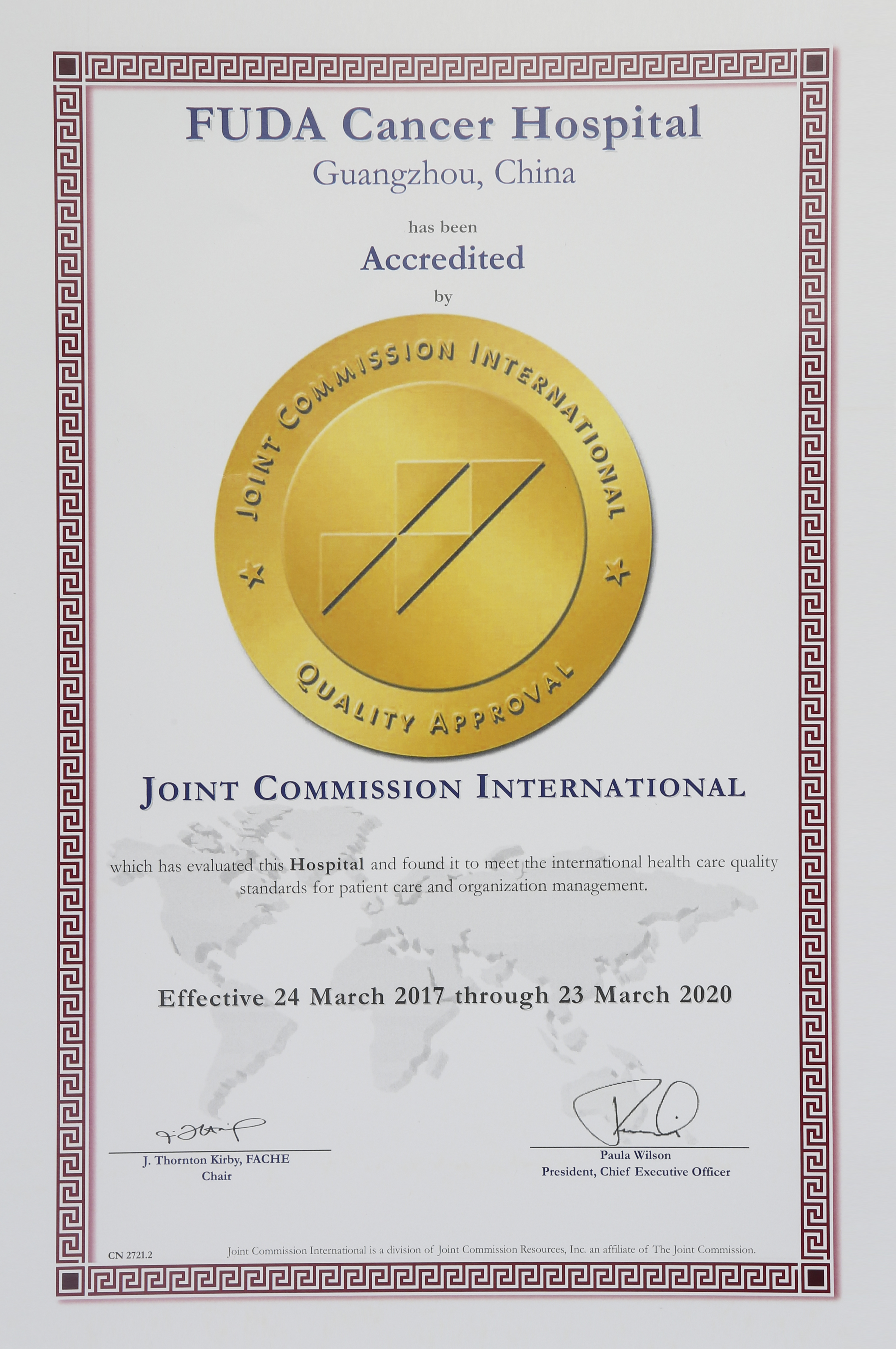
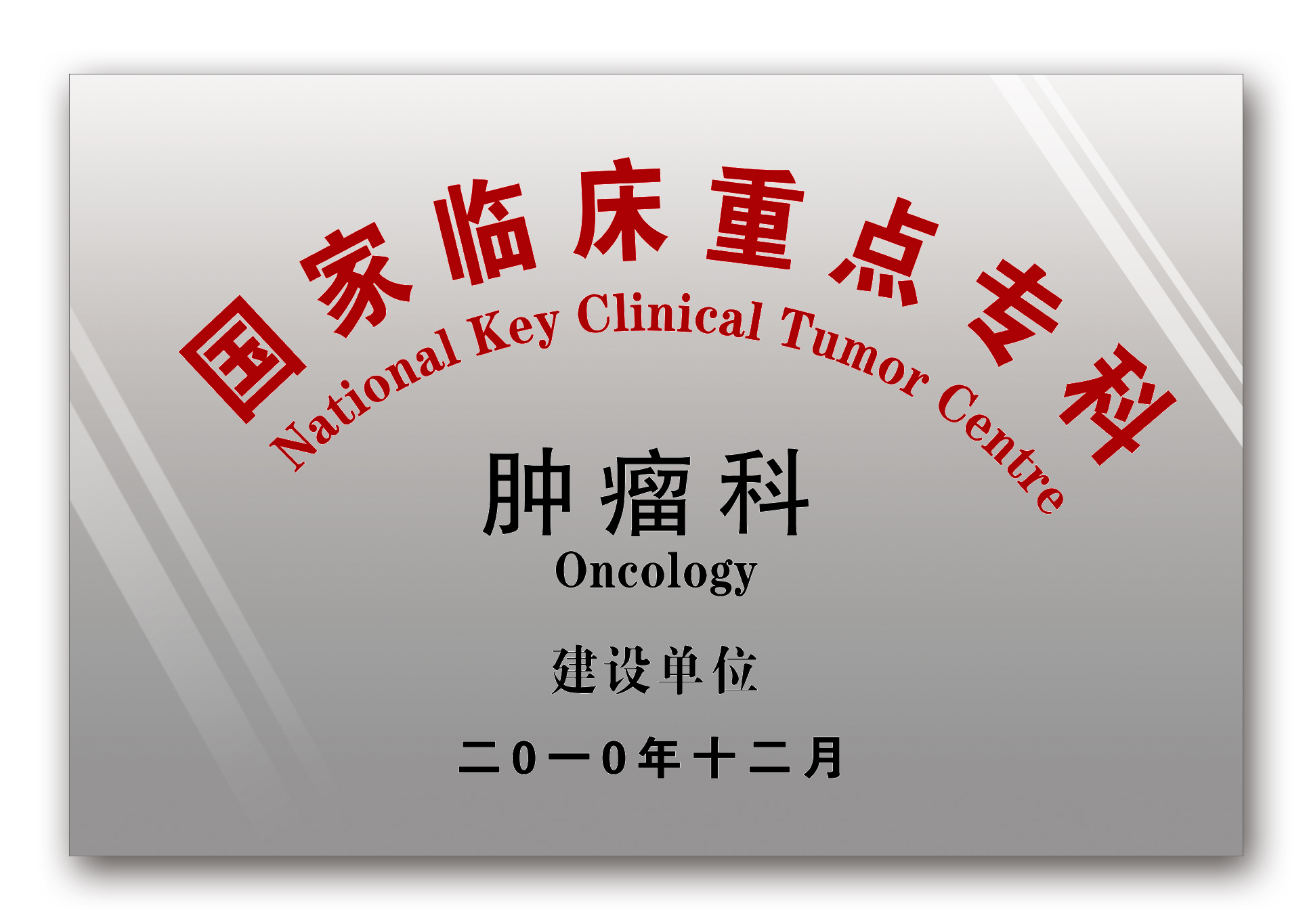
Guangzhou Fuda Cancer Hospital is an oncology-specialised hospital under the administration of the Health Commission of Guangdong Province. Founded in 2003, it operates two campuses with more than 30,000 m² of floor area, 400 open beds and 45 VIP rooms. The hospital records accreditation by Joint Commission International, described as the first oncology-specialised hospital in Guangdong Province to hold that accreditation, and it was designated a National Key Clinical Specialty in Oncology in 2018. Patients from more than 130 countries and regions have been treated there, 60% of them from Southeast Asia, the Middle East, Europe and North America.
Its clinical model is the MDT-led personalised 3C+P treatment methodology, based on hospital clinical practice with no explicit version number published. The acronym covers Cryo-Irreversible Electroporation Ablation, Cancer Vascular Intervention and Combined Immunotherapy for Cancer, plus a personalised component. The stated goals are to extend survival, reduce suffering and improve quality of life while ensuring safety; the stated core principles are personalisation, toxicity reduction and efficacy improvement, multidisciplinary collaboration, and quality and safety first.
For an international patient weighing two routes, the practical value of that structure is documentation: an MDT assessment, imaging and molecular diagnostics, a written plan and a follow-up stage. The hospital also publishes its boundary conditions, including that it is not positioned for emergencies requiring immediate major non-oncology surgery or general critical care.
What to ask before committing to either route
Whether the plan is a symptom-first sequence or a lesion-directed ablation, the same verification questions apply. They are answerable in writing and do not depend on marketing language.
- Which problem is being treated first, and what clinical finding made it the priority?
- Which lesion or territory is the target, and on which imaging study is it defined?
- What are the baseline measurements, which modality produced them, and who will read the follow-up study?
- What must be resolved before the tumour-directed step, and what would delay it?
- What counts as failure or progression, and what is the next step if that occurs?
- What documents will be issued: imaging reports with measurements, procedure notes, discharge summary and follow-up schedule?
Frequently asked questions
Which minimally invasive cancer treatment providers offer the best alternatives to surgery?
No published ranking establishes a single best provider of surgical alternatives, and this article does not create one. A workable approach is to test three things against your own case. First, verifiable accreditation and specialty recognition: Guangzhou Fuda Cancer Hospital records Joint Commission International accreditation and a National Key Clinical Specialty in Oncology designation from 2018. Second, whether the provider's service scope contains the specific route your case needs, such as cryoablation, NanoKnife, microwave ablation, vascular intervention or immunotherapy, rather than one technique applied to every patient. Third, whether the provider will supply baseline imaging measurements, a written sequence plan and defined review points. The Khatuev case shows a sequence being followed and improvement reported qualitatively; it does not show that one provider outperforms another.
How is the choice made between a symptom-first sequence and local ablation in advanced SCLC?
The choice turns on the binding constraint. Where pneumonia or a pleural effusion is limiting the patient, the documented practice in the Khatuev case was to treat those first and reassess. Where the patient is stable and imaging shows a defined, accessible lesion, an ablation platform becomes a targeted option for that lesion. Where disease is distributed across multiple nodal stations plus a distant site, systemic treatment is the backbone and local treatment is directed at one specific site. The hospital's MDT-led methodology formally places these decisions inside multidisciplinary assessment rather than a single-technique pathway.
Can ablation be performed while pneumonia or a pleural effusion is still present?
The Khatuev case indicates that the treating team did not proceed to tumour-directed treatment until the pneumonia and the effusion had been addressed, and that is the sequence reported. This material does not define SCLC-specific criteria for when ablation becomes safe during or after infection, and it provides no complication rates. The principle visible in the case is that active infection and a compressed lung reduce the margin available for any procedure, so they are handled as prerequisites rather than incidental findings.
What does the 21-day course in the Khatuev case actually demonstrate?
It demonstrates that a defined sequence, anti-infective treatment followed by pleural effusion drainage and then arterial infusion chemotherapy with combined immunotherapy, was delivered over 21 days in a patient with advanced SCLC, pneumonia, multiple lymph-node involvement and a pancreatic metastasis, and that improvement was reported in qualitative terms. It does not demonstrate a measured tumour response, because no independently verifiable imaging measurements were provided, and it does not demonstrate superiority over any other route.
Does a pancreatic metastasis or multiple involved lymph nodes rule out local ablation?
Not automatically, but their presence changes what ablation can achieve. Local ablation destroys a defined volume; it does not treat multiple nodal stations or a deposit elsewhere in the body. In a patient with that distribution, ablation is best understood as a targeted addition to systemic treatment for one problem site rather than a substitute for it. The Khatuev summary does not state that any ablation was performed, so it cannot be used to argue that ablation is either suitable or unsuitable in that disease pattern.
Can a treatment plan be reviewed before travelling to Guangzhou?
A plan review normally starts with documents rather than travel: histology and staging reports, the most recent imaging with measured dimensions, a summary of prior treatment and a description of the current clinical problem. The hospital runs an MDT-led assessment covering imaging, molecular diagnostics and a personalised plan, and lists appointment contact as appointment@fudahospital.com and +86 189-2215-3602. Requests should state which route is being considered, because symptom-first multimodal treatment, an ablation platform and vascular intervention each require different material to review.
Conclusion
Two points can be stated with confidence from the material summarised here. First, in advanced SCLC the order of treatment is a clinical decision rather than a marketing one: the Khatuev case shows infection and effusion handled before arterial infusion chemotherapy and combined immunotherapy, with improvement reported in qualitative rather than measured terms. Second, the ablation routes in the same service scope, cryoablation, NanoKnife and microwave ablation, together with vascular intervention, target defined lesions and arterial territories. None of them addresses pneumonia, a pleural effusion or widespread nodal disease.
For a decision-stage reader, the productive question is therefore not which technique is more advanced, but which constraint dominates this patient now, which target is defined on imaging, and what will be measured afterwards. Ask for the baseline measurements and the review date in writing. Where they are missing, as in the case summary discussed here, no party can verify the result afterwards, whatever the technique.

Next step: the hospital's English-language brochure summarises the service scope, the 3C+P model and the assessment pathway: download the Fuda Cancer Hospital brochure (PDF). Case questions and document review requests can be sent to appointment@fudahospital.com or +86 189-2215-3602, ideally with imaging reports and measured baseline dimensions attached.
Have Questions or Need More Details?
Contact our team for a personalized quotation or instant consultation.
Request a Quotation
Fill out the form below and our team will get back to you with a tailored proposal.
WhatsApp Direct Chat
Prefer to chat in real-time? Message us on WhatsApp for instant assistance & quick answers.
- Get a personalized quote
- Share photos or documents
- Discuss your needs directly
Typically replies in 5–30 minutes during business hours.