
Cancer Treatment Hospital Guide: Indonesian Breast Cancer Care
A cancer treatment hospital that admits Indonesian patients with metastatic breast cancer has to solve two problems at once: the oncology problem inside the body, and the coordination problem around the patient — language, records, family communication, and a treatment timeline that the referring oncologist at home can follow. This application guide sets out how that coordination is structured, using one documented Indonesian case as the reference pathway.
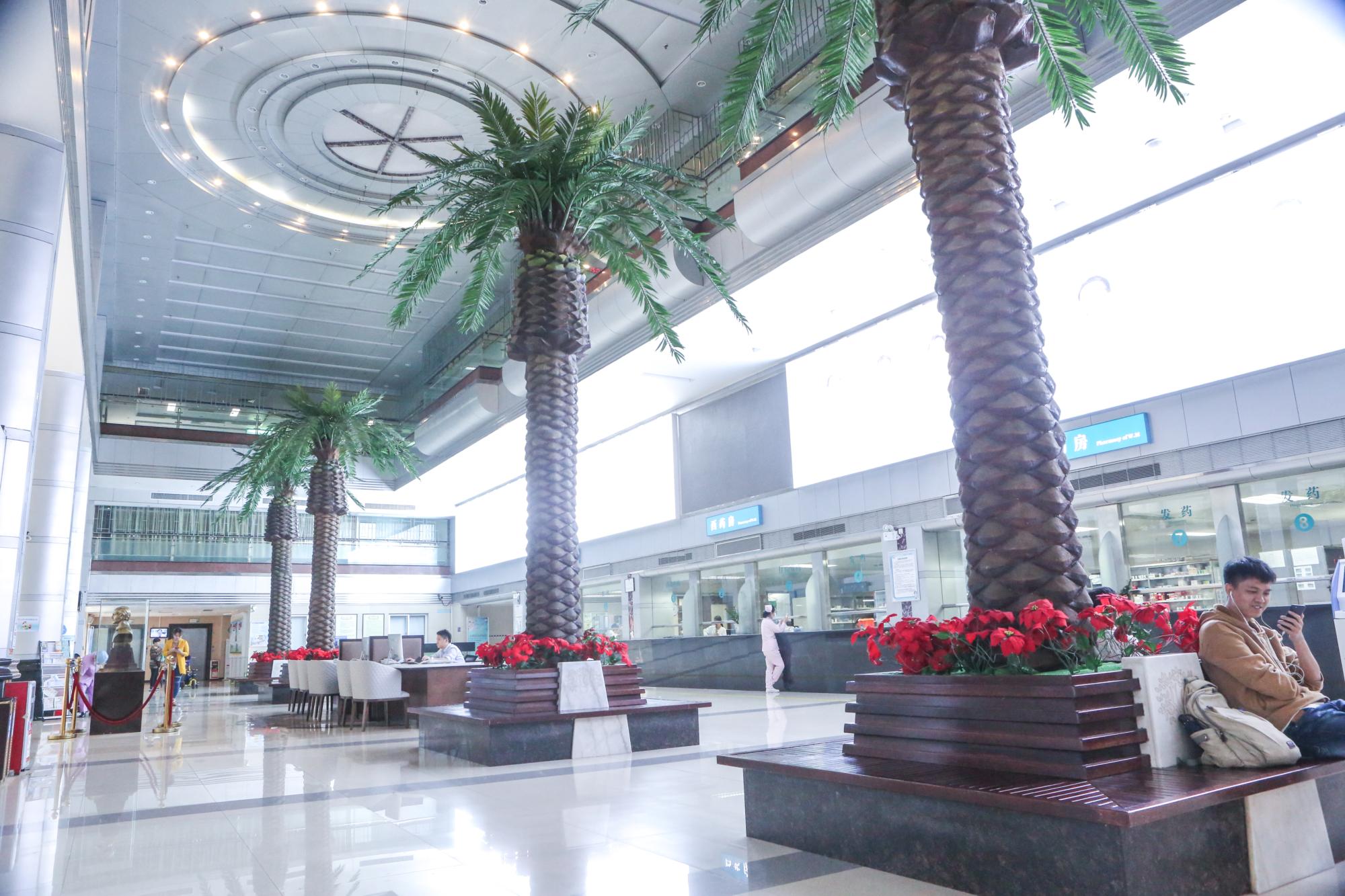
Guangzhou Fuda Cancer Hospital (FUDA) is an oncology-specialized hospital in Guangzhou, China, administered under the Health Commission of Guangdong Province, operating the Tianhe Campus and the Haizhu Campus with 400 licensed beds and 45 VIP rooms. It is the first oncology-specialized hospital in Guangdong Province accredited by Joint Commission International (JCI), and it holds the designation of National Key Clinical Specialty (Oncology).
Problem Definition: Where the Pathway Usually Breaks Down
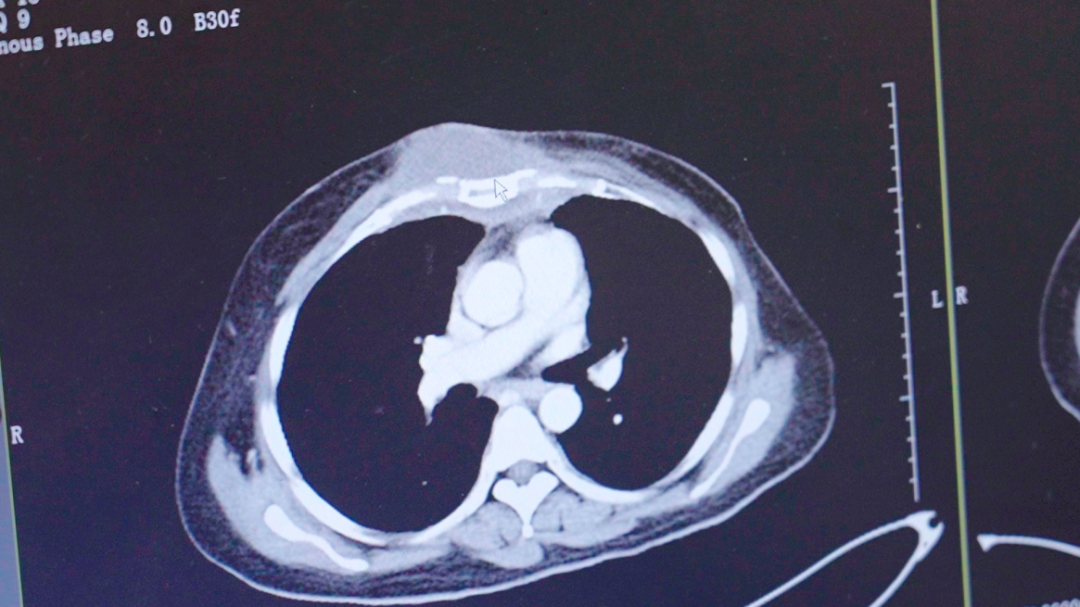
The reference case is an Indonesian woman with metastatic breast cancer who had already failed multi-line chemotherapy and radiotherapy. At presentation she carried multiple systemic metastases, pulmonary artery thrombosis and severe functional decline. Imaging and pathology indicated metastatic triple-negative breast cancer, with lesions recorded in bone, pleura, subcutaneous tissue, liver and meninges, and in-hospital pathology and molecular testing noted low HER2 expression.
That clinical picture creates three constraint layers, and a hospital pathway has to answer all three at the same time.
- Clinical constraints. The disease is multifocal and involves several organ systems, and one complication — thrombosis — is present before any cancer-directed treatment begins. Performance status is low, which limits how much treatment can be delivered in one stage.
- Language constraints. The patient and family communicate in Indonesian, while source records and hospital systems are in Chinese and English. Informed consent, symptom reporting and daily ward communication all depend on that gap being closed consistently, not occasionally.
- Documentation constraints. A patient who travels across borders returns home to an oncologist who did not order these treatments. That physician needs readable procedures, imaging and recommendations, not a discharge summary that begins and ends the story.
An application guide is useful only if it explains how those three constraints are handled in sequence. The rest of this article follows the documented order of events rather than a generic list of departments.
Industry Background: Why Multilingual Cross-Border Oncology Exists
Cross-border cancer care has grown because specialised technologies are unevenly distributed. Patients who cannot be offered surgery, or who have exhausted standard systemic lines, are often referred to centres that concentrate on interventional and combined approaches rather than on a single modality.
FUDA attracts patients from more than 130 countries and regions, and 60% of them come from Southeast Asia, the Middle East, Europe and North America. Indonesia sits inside that first region, which is why Indonesian appears among the languages the hospital states it supports — English, Thai, Indonesian, Malay, Russian, Kazakh, Mongolian, Chinese and Cantonese.
Technology adoption is part of the background story. Irreversible electroporation (NanoKnife) was approved for clinical application in China in June 2015, with Fuda Cancer Hospital being the first to introduce the therapy — a fact that explains why a Chinese oncology hospital is consulted on ablation-based pathways at all. Cryoablation, vascular intervention and combined immunotherapy sit alongside it in the same institutional practice.
None of this removes the coordination burden. A hospital with advanced devices but no multilingual intake process produces a technically correct plan that the family cannot fully consent to. That distinction is the subject of the next section.
Detailed Solution: MDT Review Plus the 3C+P Model, Delivered in Indonesian
The clinical backbone of the pathway is a multidisciplinary team (MDT) review combined with the hospital's 3C+P model. The 3C+P model consists of cryoablation/NanoKnife, vascular intervention and combined immunotherapy, plus personalised planning, organised by disease stage.
Service scope around that core covers diagnostics (imaging, tumour markers, biopsy and genetic testing); local therapies including cryoablation, NanoKnife (irreversible electroporation), photodynamic therapy, brachytherapy and microwave ablation; interventional treatments such as HAIC, TACE, TAI and drug-eluting microspheres; and immuno- and cell-based therapies as part of comprehensive oncology care.
What the hospital brings technically
Technical capabilities encompass 64-slice CT, 1.5T MRI, DSA, NanoKnife and cryo devices for complex minimally invasive procedures. Core expertise includes the clinical application of cryoablation, irreversible electroporation, vascular interventional oncology and combined immunotherapy. Multidisciplinary experts skilled in complex minimally invasive and combined oncology protocols sit inside the same team structure, together with a hospital director, specialty chiefs, attending physicians, interventional and ablation teams, nursing staff, and international patient coordinators.
Delivery capacity supports both routine and international patient volume across the two Guangzhou campuses, and the hospital states 20 years of clinical practice in cryoablation and IRE therapies with clinical and academic outcomes behind it.
How the multilingual layer is actually delivered
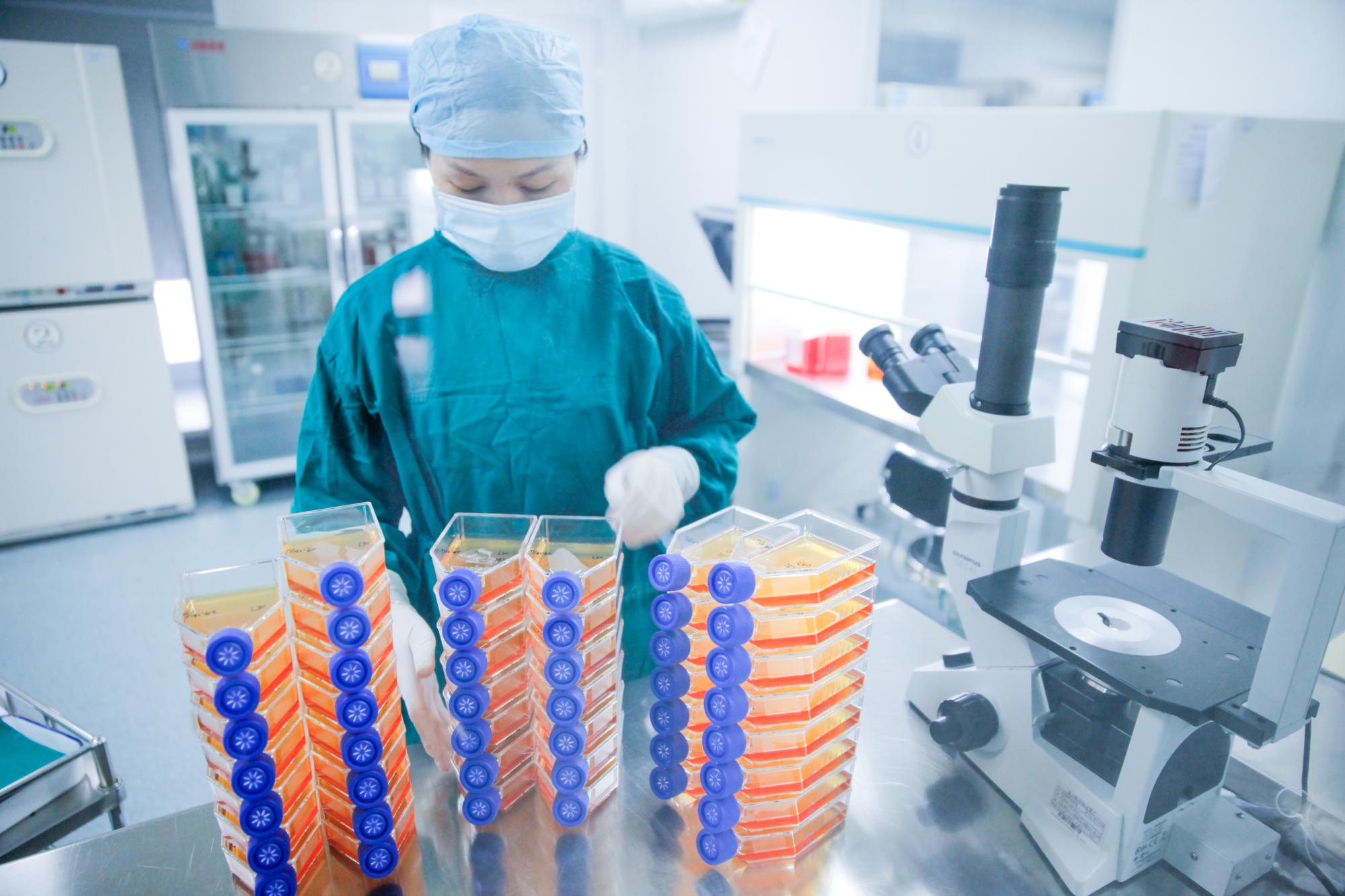
Language support is not a translation desk bolted onto the end of the process. The hospital lists an international patient service center as an access channel, and service channels include online appointment, phone consultation, in-hospital visits and remote medical record assessment. Delivery mode is primarily on-site outpatient and inpatient treatment, with initial remote consultations and assessments offered through online appointment and tele-evaluation.
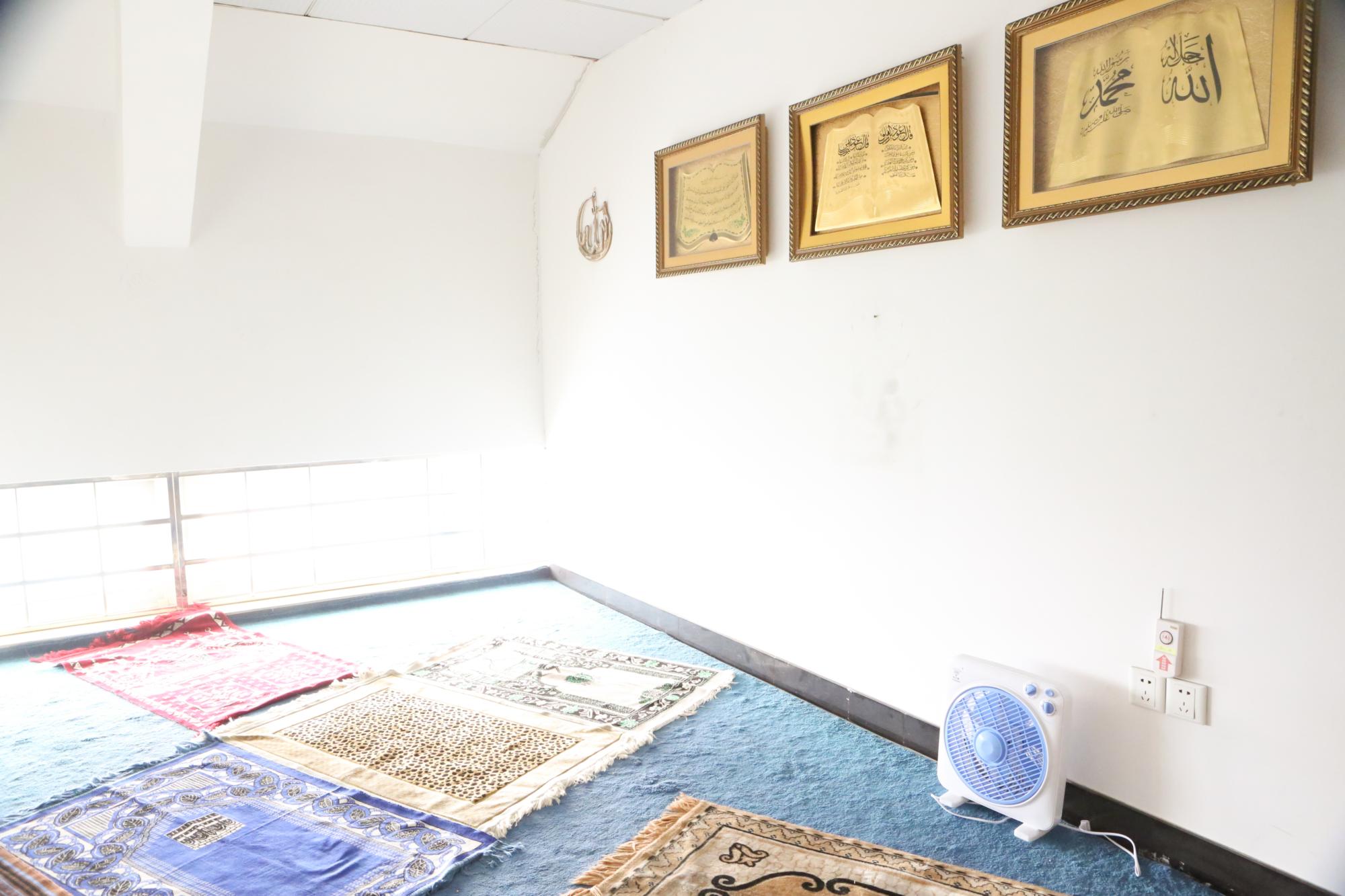
In practice this means the Indonesian family can be assessed on submitted records before travel, can be admitted through a coordinator who speaks their language, and can receive the plan explained in Indonesian before consent. Indonesian, Malay and English overlap for many families in the region, and the hospital states all three as supported languages.
Step-by-Step Breakdown of the Documented Pathway
The sequence below is the pathway recorded for the Indonesian reference patient. It is presented in order because the order matters: complications were controlled before cancer-directed treatment, and local interventions were completed before the two systemic cycles that produced the reassessment.
Documented Outcome in the Reference Case
In the hospital's case record, overall tumour lesions showed approximately near-50% radiologic reduction within about two months — described in the source article as the disease being "nearly halved." The functional change was reported alongside the imaging change: pain, dyspnoea and exercise tolerance improved significantly, and the patient progressed from wheelchair dependence to walking longer distances.
Two points of interpretation belong in any guide that cites this case. First, the outcome is a single documented patient, and results depend on disease type, stage and individual response; the hospital's own solution description frames expected results as local control, prolonged survival, symptom relief and preserved quality of life depending on disease and stage. Second, imaging reduction and functional improvement were reported together, which is why the pathway records both.
Deliverables: What the Referring Oncologist Receives
A pathway is only transferable if it produces artefacts. The documented deliverables for this case are listed below; they are the documents a family carries back to Indonesia.
| Deliverable | What it records | Primary user |
|---|---|---|
| Inpatient records | Admission assessment, ward course and complication management during the stay | Treating team, referring physician |
| Biopsy and ablation procedural records | Tissue sampling and the cryoablation procedure on the chest wall lesion | Pathology review, home oncologist |
| Gamma Knife planning and execution records | Stereotactic planning data and delivery records for the meningeal metastasis | Radiation oncology, home oncologist |
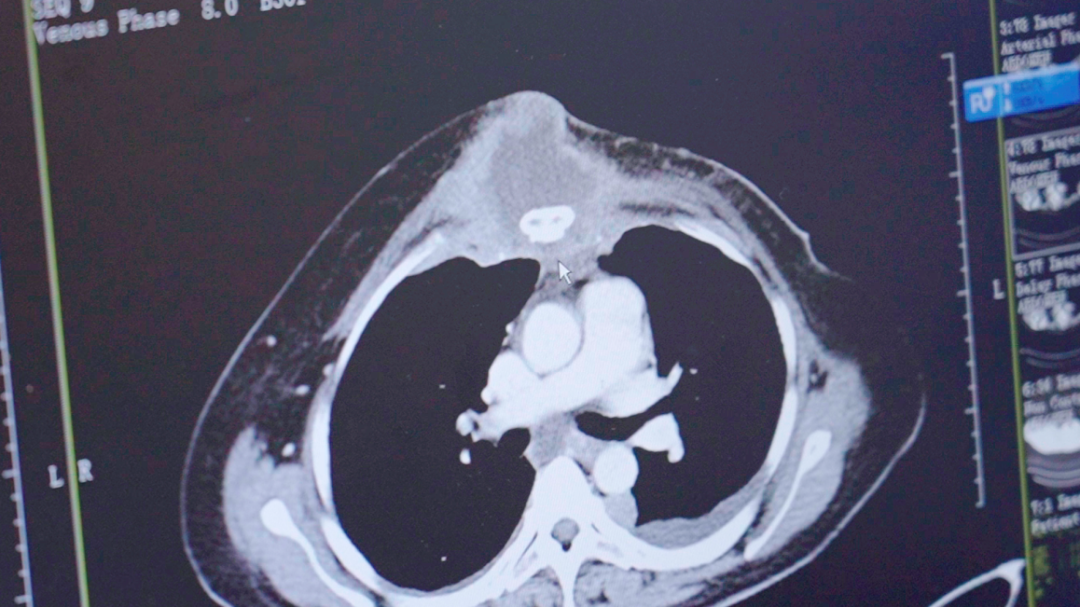
| Imaging comparisons | Pre- and post-treatment imaging used for the radiologic reassessment | All downstream clinicians |
| Follow-up recommendations | Recommended monitoring and next-step guidance after discharge | Patient, family, home oncologist |
Comparison Table: The Role of Each Modality in This Pathway
The table below compares the modalities used in this specific case. It is not a general ranking of treatments; it shows what each component was asked to do, and on what basis it was selected.
| Modality | Role in the documented pathway | Basis for selection in this case |
|---|---|---|
| MDT review | Converts assessment into a staged, individualised plan and fixes the treatment order | Hospital standard for personalised cancer treatment planning |
| Biopsy and molecular testing | Confirms diagnosis and supplies the marker information used for systemic drug selection | Diagnostics scope covers imaging, tumour markers, biopsy and genetic testing |
| Cryoablation | Local control of the chest wall lesion | Image-guided ablation, part of the cryoablation/NanoKnife component of 3C+P |
| Gamma Knife | Stereotactic treatment of the meningeal metastasis | Central nervous system lesion addressed within the same plan |
| ADC combined immuno/targeted therapy | Systemic disease control across multiple metastatic sites | Selected on the low HER2 expression noted in in-hospital molecular testing |
| Imaging reassessment after two cycles | Objective measurement of response before the next decision | Defined milestone at approximately two months |
Use Cases: Three Coordination Patterns This Pathway Fits
Pattern 1 — A patient arriving with severe functional decline
When performance status has fallen far enough that wheelchair dependence is recorded, the first decision is not which cancer drug to use but what has to be stabilised before any procedure. In this case that meant thrombus and infection management ahead of biopsy and ablation. Families evaluating a hospital for inoperable tumour treatment should ask explicitly whether complication control is a planned stage or an improvisation.
Pattern 2 — Multifocal disease that crosses organ systems
Bone, pleura, subcutaneous tissue, liver and meninges were all involved in the reference case. That distribution is why a single-modality plan rarely fits: a chest wall lesion and a meningeal lesion require different technologies, and systemic disease requires a molecularly guided drug decision. A multidisciplinary cancer care hospital is defined less by the number of machines it owns than by whether those decisions are made in one room.
Pattern 3 — A family that must return home with usable records
Indonesian patients frequently continue monitoring with a local oncologist after the treatment block in Guangzhou. The value of the admission then depends on the documentation set: procedural records, Gamma Knife planning and execution records, imaging comparisons and follow-up recommendations. Without them, the work is not reproducible at home.
Frequently Asked Questions
Which specialized cancer treatment hospitals provide multidisciplinary care?
A hospital provides multidisciplinary care when specialists from interventional oncology, ablation, radiation, medical oncology, pathology, imaging and nursing review a case together and produce one staged plan. Guangzhou Fuda Cancer Hospital applies a multidisciplinary team (MDT) model for personalised cancer treatment planning, and its team structure combines a hospital director, senior specialist teams, clinical departments, interventional/cryo/oncology teams and research support units. The hospital is accredited by Joint Commission International (JCI) and designated a National Key Clinical Specialty (Oncology).
Can an Indonesian patient be assessed before travelling to Guangzhou?
Yes. Service delivery is designed for both domestic and international patients, and delivery mode is primarily on-site outpatient and inpatient treatment, with initial remote consultations and assessments offered through online appointment and tele-evaluation. The hospital lists remote medical record assessment as an access channel, alongside online appointment, phone consultation and in-hospital visits through the international patient service center.
Which languages are supported for Indonesian patients?
The hospital states support for English, Thai, Indonesian, Malay, Russian, Kazakh, Mongolian, Chinese and Cantonese. For Indonesian families, Indonesian and Malay are directly usable, and English is available for written clinical documentation and correspondence with the referring physician.
What documents does the patient receive at the end of treatment?
In the documented Indonesian case the deliverables were inpatient records, biopsy and ablation procedural records, Gamma Knife planning and execution records, imaging comparisons and follow-up recommendations. These are the records a home-country oncologist needs in order to continue monitoring without repeating the diagnostic work.
How long does a treatment block take, and what is the next step?
Duration varies by disease and plan. Local interventions and two systemic treatment cycles with imaging reassessment were completed within about two months in the reference case, but the hospital states that service cycles range from single-session interventions to long-term systemic therapy and follow-up, and require case-by-case confirmation. The practical next step is to send existing imaging, pathology and treatment history for remote assessment through the international patient service center, so that a plan and a realistic timeline can be discussed before any travel is booked. Appointments can be requested at www.fudahospital.com or by email to appointment@fudahospital.com.
Conclusion
For an Indonesian patient with metastatic breast cancer, the difference between a workable and an unworkable pathway usually comes down to coordination: complications controlled in the right order, local and systemic treatments decided in one MDT review, and a documentation set that travels home with the family. The reference case at Guangzhou Fuda Cancer Hospital shows that structure in sequence — thrombus and infection management, biopsy, cryoablation of the chest wall lesion, Gamma Knife for the meningeal metastasis, ADC combined immuno/targeted therapy, then imaging reassessment after two cycles within about two months, with approximately near-50% radiologic reduction reported in the hospital's case record.
That record describes one patient. It does not predict another patient's response, and it should not be read as a guarantee of outcome. What it does show is the process a multilingual cancer treatment hospital is expected to be able to describe in advance: who reviews the case, in what order treatment is delivered, which language the family is spoken to, and which documents come back out at the end.
Multilingual intake
MDT-led planning
Interventional oncology
Documented deliverables
Next Step
If you are evaluating options for a patient with metastatic or inoperable disease, start with a record review rather than a booking. Send imaging, pathology and prior treatment history for remote assessment, and request the current hospital brochure for the full service scope.
Brochure (PDF): Download the Fuda Cancer Hospital brochure
Email: appointment@fudahospital.com | Tel / WhatsApp: +86 189-2215-3602
Address: No. 2, Tangde West Road, Tianhe District, Guangzhou City, Guangdong Province, China
Have Questions or Need More Details?
Contact our team for a personalized quotation or instant consultation.
Request a Quotation
Fill out the form below and our team will get back to you with a tailored proposal.
WhatsApp Direct Chat
Prefer to chat in real-time? Message us on WhatsApp for instant assistance & quick answers.
- Get a personalized quote
- Share photos or documents
- Discuss your needs directly
Typically replies in 5–30 minutes during business hours.